Key Takeaways
- Ask where the human review sits in any closed-loop AI pitch. If the answer is "configurable", the answer is nowhere.
- Treat the Ignition ecosystem as the reference architecture for MES and IIoT living on one namespace. The MES vs IIoT comparison on this site is the map.
- Legacy migration is still the real project. Every AI conversation at ICC ended up back at insecure, unreplaceable legacy systems.
Short Answer
At the Ignition Community Conference (ICC 2026, September 22 to 24, 2026, Sacramento, California) Michael Finocchiaro recorded a series of interviews on industrial AI from the automation side of the plant. Published so far: Inductive Automation CEO Colby Clegg on independence, unlimited licensing and open standards; Ignition CTO Carl Gould on Ignition 2027 and where AI should not take control; Nick Haase of MaintainX on getting machine data into a technician's hands; Craig Scott of Fuuz on AI-assisted MES development and why MES projects fail; and Itanta Analytics on what to do when an industrial AI recommendation is confidently wrong. More interviews from the series are being published on the ICC 2026 Full Interviews playlist.
- Every guest drew the same line. AI can build the application, diagnose the problem and propose the action; a human reviews before anything closes the loop on a control system.
- Inductive Automation's answer to AI is the same as its answer to everything else. Open standards, unlimited licensing, and a partner ecosystem that owns the last mile.
- The integrator's job is changing, not disappearing. When AI makes the routine work fast, judgment about the plant becomes the scarce skill.
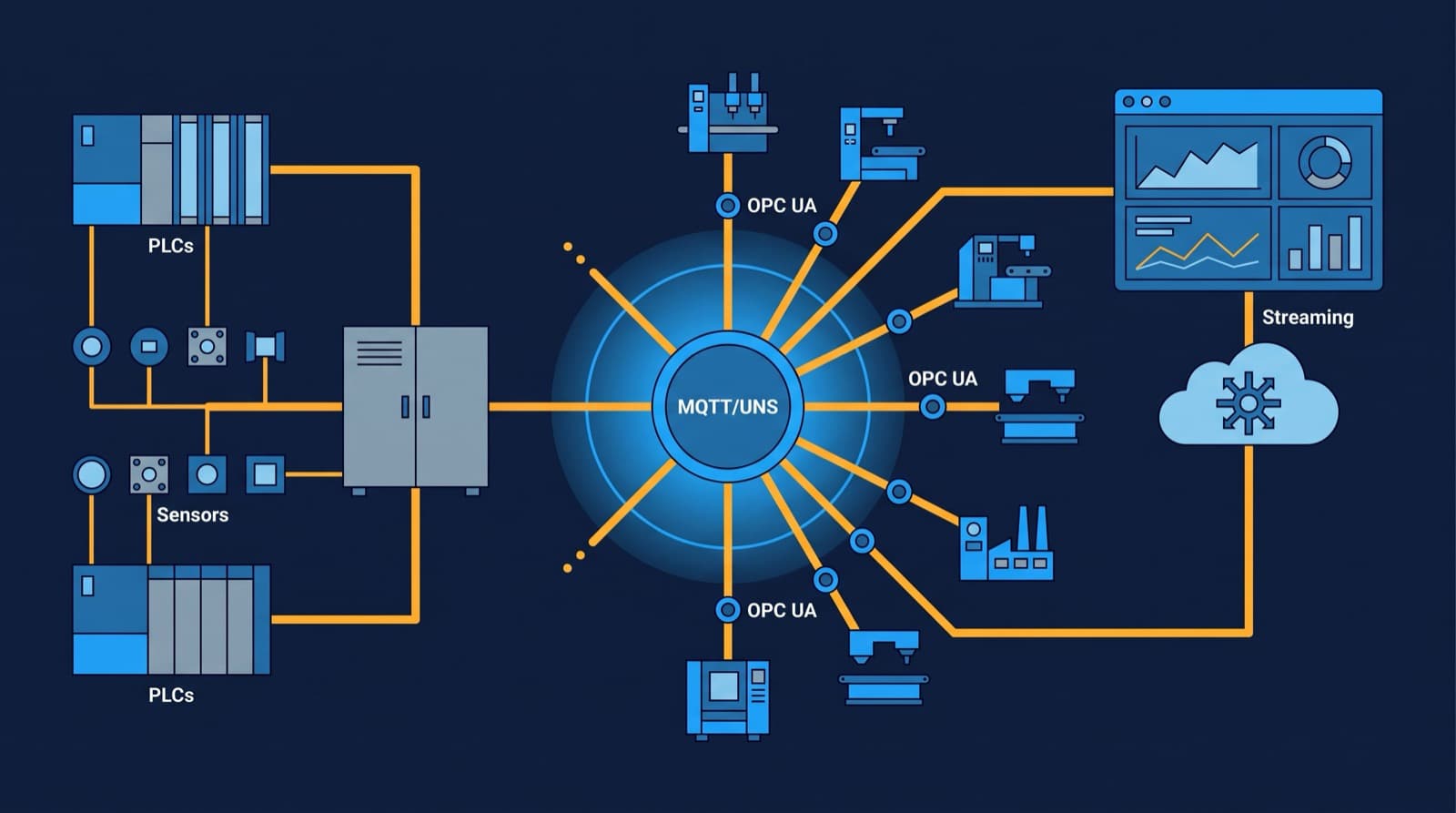
- MaintainX and Fuuz both described the Unified Namespace pattern from the consumer side. Maintenance and MES as clients of Ignition's data, not owners of it.
- Itanta's warning is the one to remember. If your process experts cannot inspect and correct the context behind an AI recommendation, you do not have industrial AI, you have a guess with a confidence score.
The Ignition Community Conference is where the people who actually wire plants together meet once a year, and in 2026 the hallway question was the same one the software people were asking at IMTS the week before: where does AI assistance stop and autonomous control begin?
This is the index of the ICC 2026 interview series, recorded September 22, 2026 in Sacramento. Short highlights are on the Best Moments playlist. Five conversations are published as I write this and the rest of the series is being released; this page will be updated as they land. Each full interview carries chapter markers, so the timestamps below jump straight to the part you want.
Inductive Automation
- Ignition CEO: Why Open Wins, and What AI Changes Next Colby Clegg, CEO and Co-Creator of Ignition. Independence and the bootstrapped business, why unlimited licensing matters, open standards and the partner ecosystem, Ignition 2027 and the plant manager, how systems integrators evolve, and whether IT and OT are finally at a turning point. Twenty-plus minutes and the most complete statement of the Inductive philosophy I have recorded.
- Where Industrial AI Should NOT Take Control Carl Gould, CTO and Co-Creator of Ignition. AI can help build applications and diagnose problems. Should it operate a control system autonomously? Ignition 2027 and AI integration, closed-loop control and human review, the evolving integrator skill set, open standards, and the legacy migration challenge that keeps coming back.
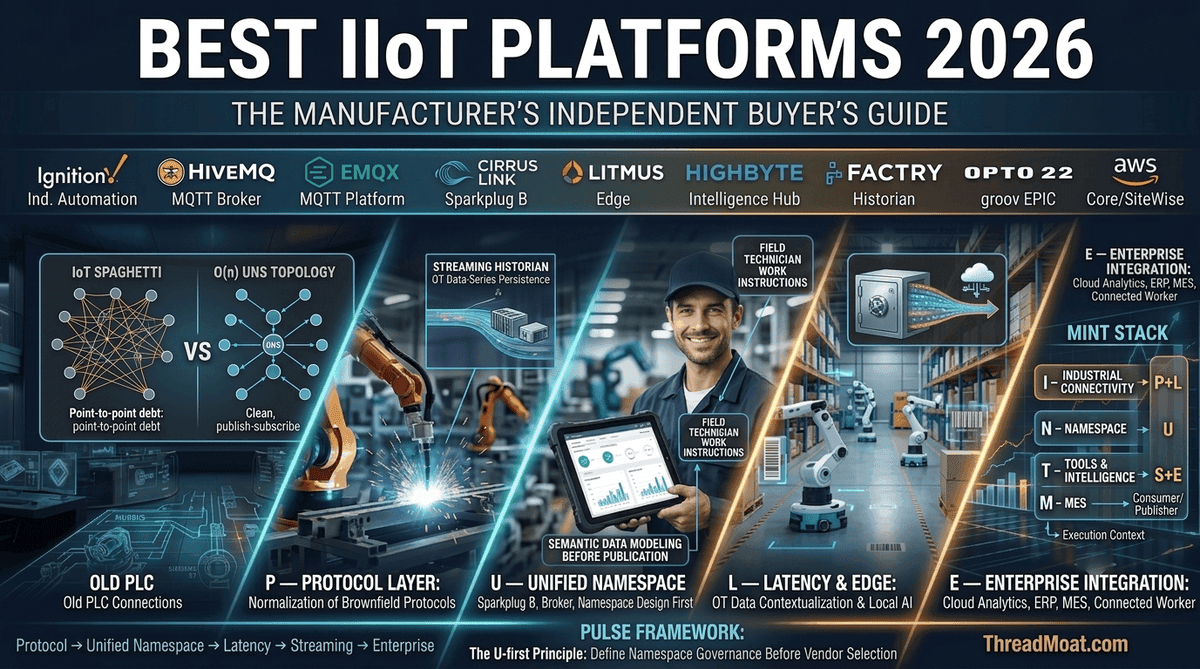
Ignition is scored as a composable platform in the Best MES Software 2026 guide and as a P- and U-layer platform in the Best IIoT Platforms 2026 guide. These two interviews are the primary source for both entries.
The ecosystem
- Factories Have Data. They Need Context. Nick Haase, Co-Founder of MaintainX. Connecting design, make and operate; bringing Ignition data into maintenance workflows; technician feedback as the return path; predictive versus scheduled maintenance; and bringing a digital-native frontline workforce along. How do you get machine data into a technician's hands, and get the repair context back into the system?
- AI Can Build an MES. Who Keeps It Reliable? Craig Scott, Founder and CEO of Fuuz. AI-assisted MES development, determinism and the data model, three modes of industrial AI, working alongside Ignition, why MES projects fail, and whether agents can replace MES. What would you need to verify before trusting AI-generated manufacturing software on a live line?
- When Industrial AI Is Confidently Wrong Harshad Bhagwat, CTO and Co-Founder, and Hartmut Puetz, Board Advisor, Itanta Analytics. Knowledge graphs, process context, efficiency beyond OEE, European versus American buying behavior, and why humans remain accountable. When an AI recommendation is wrong, can your process experts inspect and correct the context behind it?
MaintainX sits in the asset intelligence row and Fuuz in the composable platform row of the MINT scorecard. Both described the same architecture from the consumer side: maintenance and MES as clients of the plant's data on a Unified Namespace, not owners of it. That is the argument of MES vs IIoT Platform, written the same week these were recorded.
What I took home
The line was drawn identically by everyone, from the platform's creators to the newest ecosystem partner. AI can build the application, diagnose the fault and propose the action. A human reviews before anything closes the loop on a control system. Nobody at ICC was selling autonomy, and the people who could have were the most explicit about not doing so.
The second theme was that the integrator's job is changing rather than disappearing. When AI makes the routine engineering fast, judgment about the specific plant becomes the scarce skill, and Inductive's whole model depends on integrators having it.
And underneath all of it, the legacy migration problem. Every AI conversation at ICC ended up back at insecure, unreplaceable legacy systems, because that is where the plant's risk actually lives.
Every company in this series is profiled on ThreadMoat. For the machine-tool side of the same month, the IMTS 2026 interviews cover 23 conversations from Chicago.
Want to listen instead of read? 56 DemystifyingPLM articles are available as audio.
Browse audio →Looking up PLM terminology? Browse the canonical reference.
PLM Glossary →Cite this article
Finocchiaro, Michael. “ICC 2026: Interviews from the Ignition Community Conference.” DemystifyingPLM, September 26, 2026, https://www.demystifyingplm.com/icc-2026-interviews
PLM industry analyst · 35+ years at IBM, HP, PTC, Dassault Systèmes
Firsthand knowledge of the evolution from early 3D modeling kernels to today's cloud-native platforms and agentic AI — the history, strategy, and future of PLM.