All Articles

PLM Technology

59 articles

Overview of PLM Technology in the Engineering Context

Definition

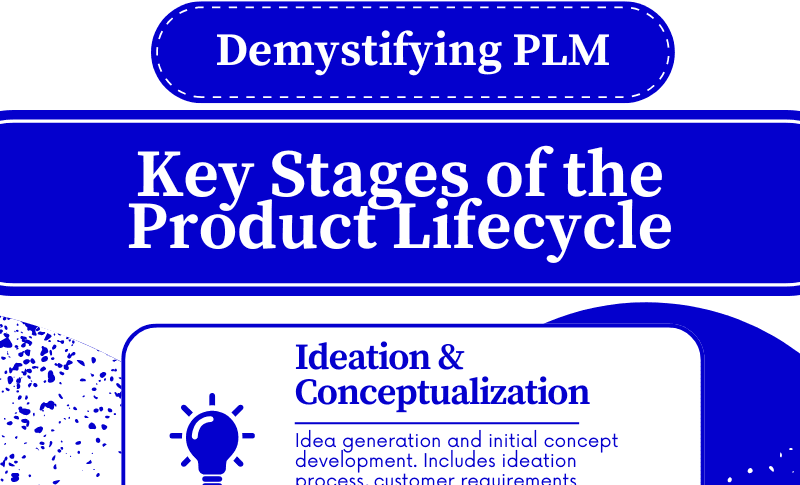
Product Lifecycle Management (PLM) technology is a comprehensive framework that encompasses the management of all data, processes, people, business systems, and activities involved in creating and managing a product from its conception to retirement. It integrates various aspects including design, engineering, manufacturing, supply chain, service, and after-sales support.

History

The concept of PLM originated in the late 1980s and early 1990s with the advent of computer-aided design (CAD) systems. Initially focused on managing product designs, it evolved over time to include broader aspects such as material management, manufacturing process documentation, and lifecycle asset management. Key milestones include the introduction of enterprise PLM solutions in the late 1990s and the rise of cloud-based PLM platforms in the early 2010s.

Key Concepts

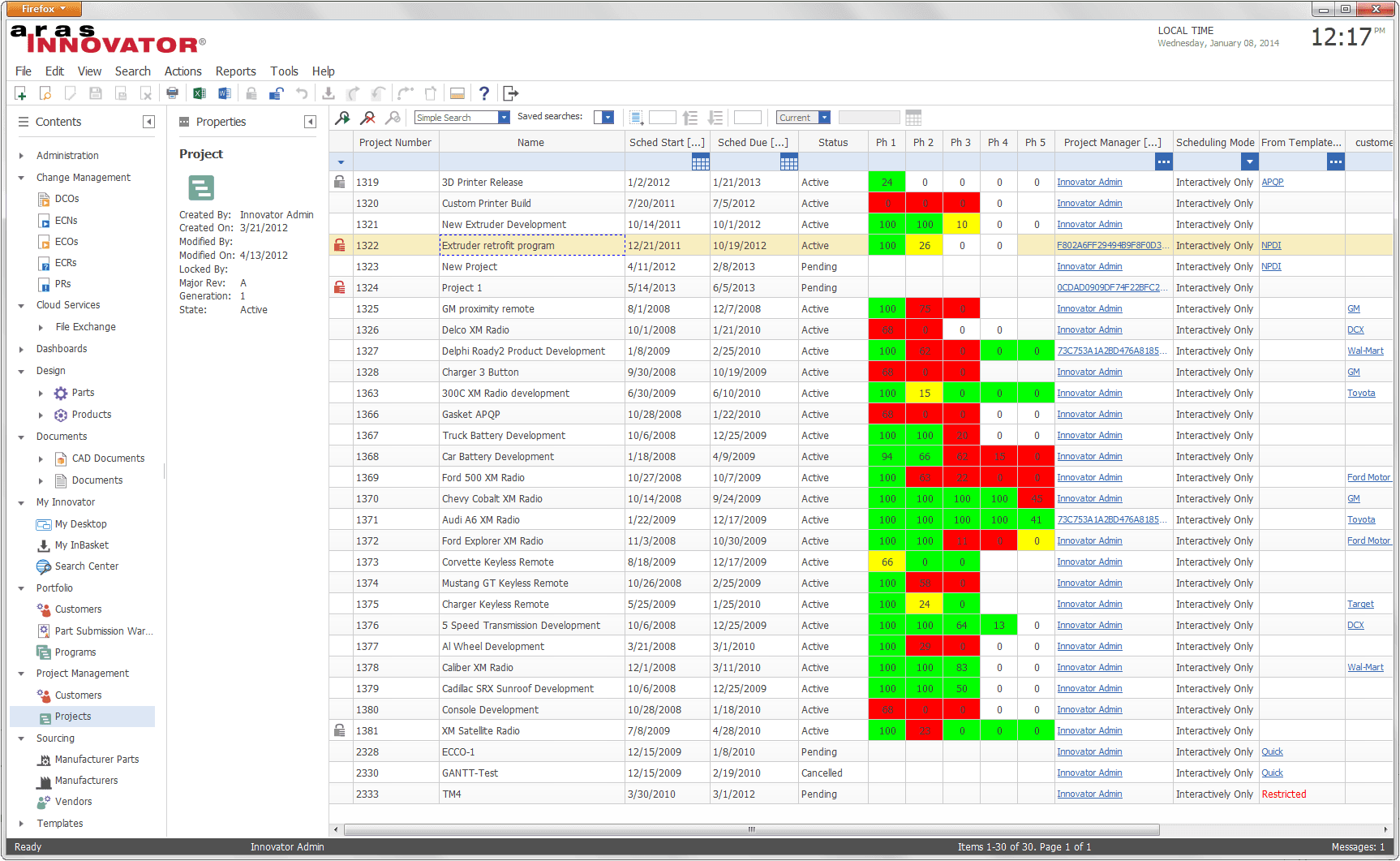
  • Data Management: Centralized repository for all product-related data, including CAD models, bills of materials (BOM), specifications, and intellectual property.
  • Process Integration: Coordination across different departments such as engineering, manufacturing, supply chain, and service to ensure seamless workflows.
  • Collaboration Tools: Facilitate communication and knowledge sharing among teams distributed globally.
  • Version Control: Tracking changes in product design and documentation throughout the lifecycle.

Current Trends

  1. Digital Transformation:

    • The integration of PLM with other digital technologies such as IoT, AI, and machine learning to enhance predictive maintenance and optimize product performance.
  2. Cloud-Based Solutions:

    • Cloud platforms offer scalability, cost-efficiency, and real-time access to data, making them increasingly popular for small-to-medium enterprises (SMEs) and large organizations alike.
  3. Digital Thread and Digital Twin:

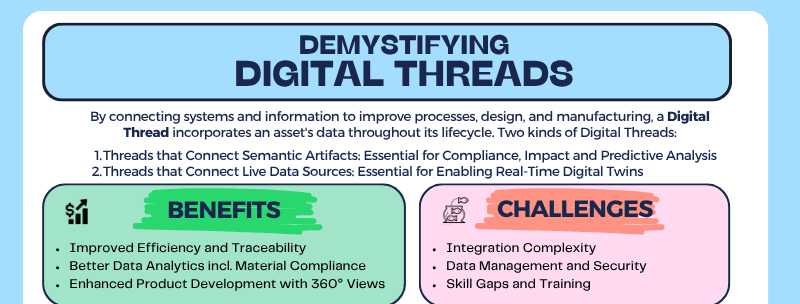
    • The digital thread connects all lifecycle stages from ideation through design, production, operation, maintenance, and disposal.
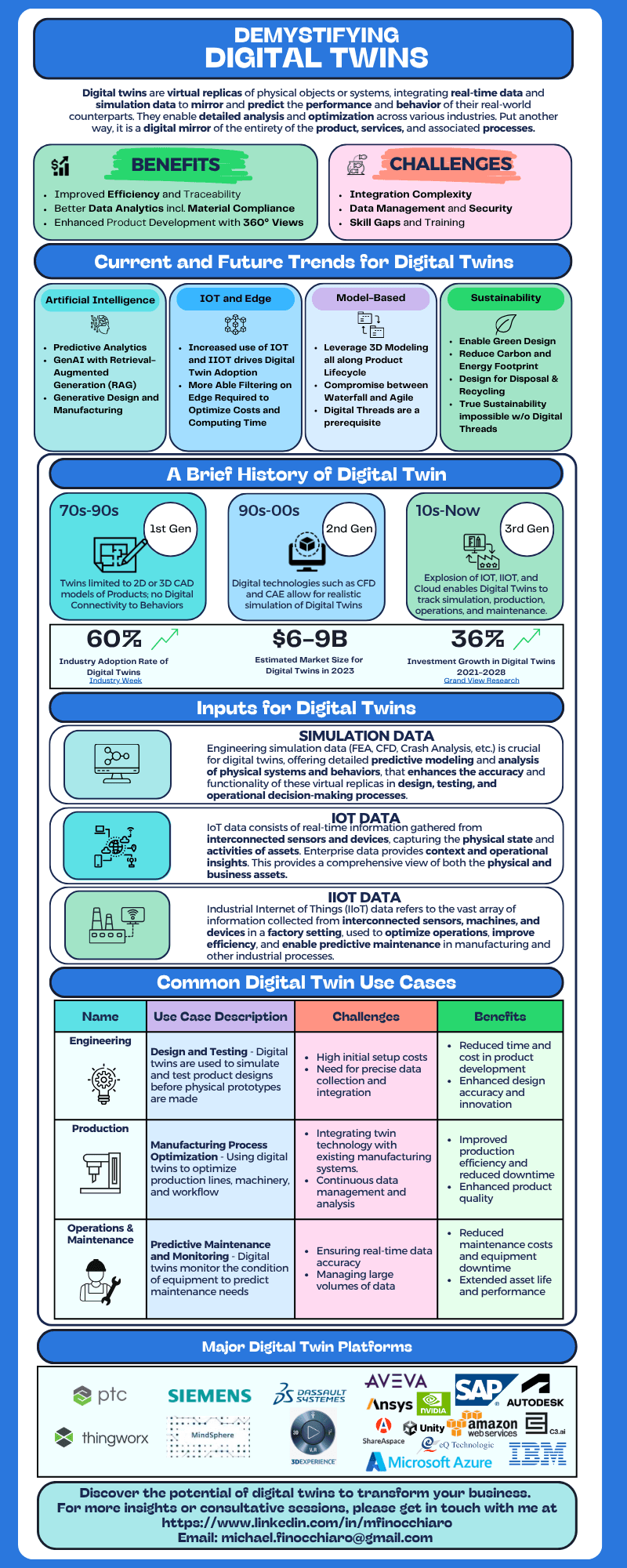
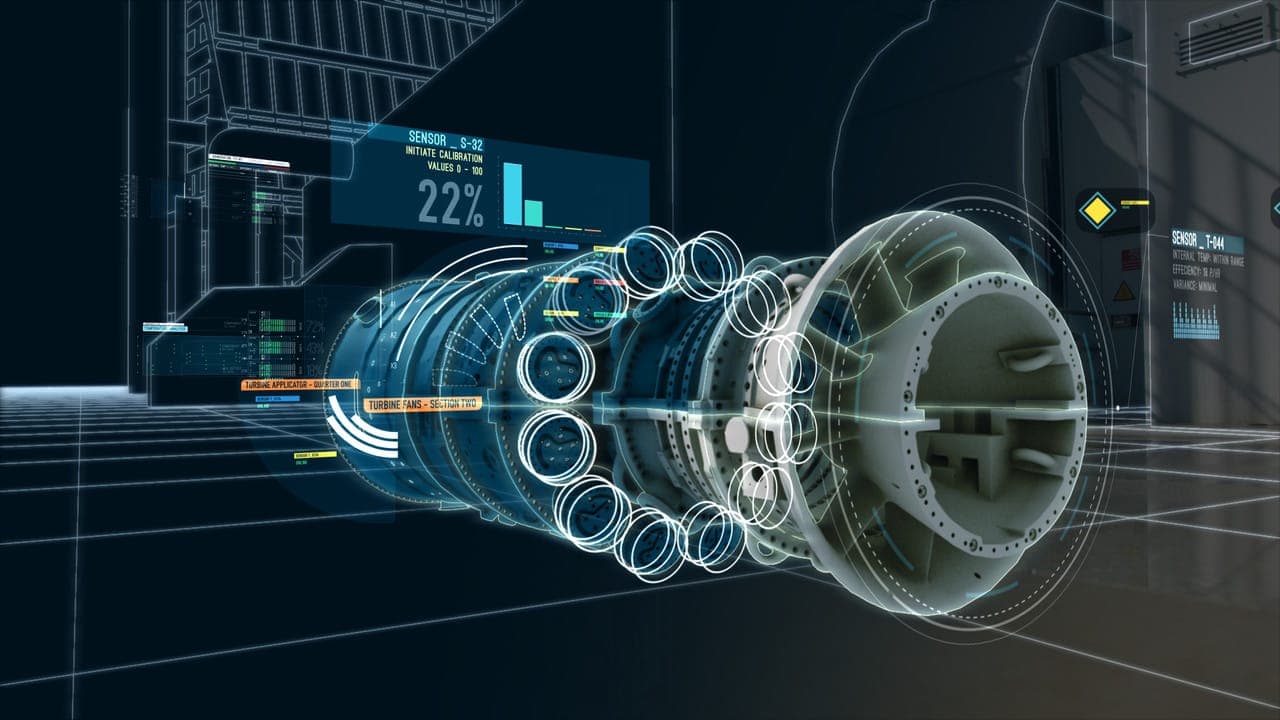
    • A digital twin represents a virtual copy of the physical product, allowing real-time monitoring and prediction of performance metrics.

Relevance to PLM Practitioners

PLM practitioners play a critical role in implementing and maintaining effective PLM systems. Key responsibilities include:

  • System Integration: Ensuring seamless integration between different tools and processes.
  • Data Management Policies: Establishing robust data management practices to maintain quality and consistency.
  • User Training and Support: Providing training and support to users to maximize the benefits of PLM technologies.
  • Continuous Improvement: Regularly evaluating and updating PLM strategies to align with evolving business needs.

Topical Articles

  • Cloud PLM vs On-Premise PLM: Tradeoffs Explained - Discusses the advantages and disadvantages of cloud-based versus on-premise PLM, focusing on cost, flexibility, security, and scalability.
  • Demystifying Digital Thread and Digital Twin - Provides a detailed explanation of digital thread and digital twin concepts, their applications in PLM, and how they can be leveraged to drive innovation.

By staying informed about these trends and best practices, PLM practitioners can drive more efficient and effective product development processes, enhancing overall business performance.

Related Articles

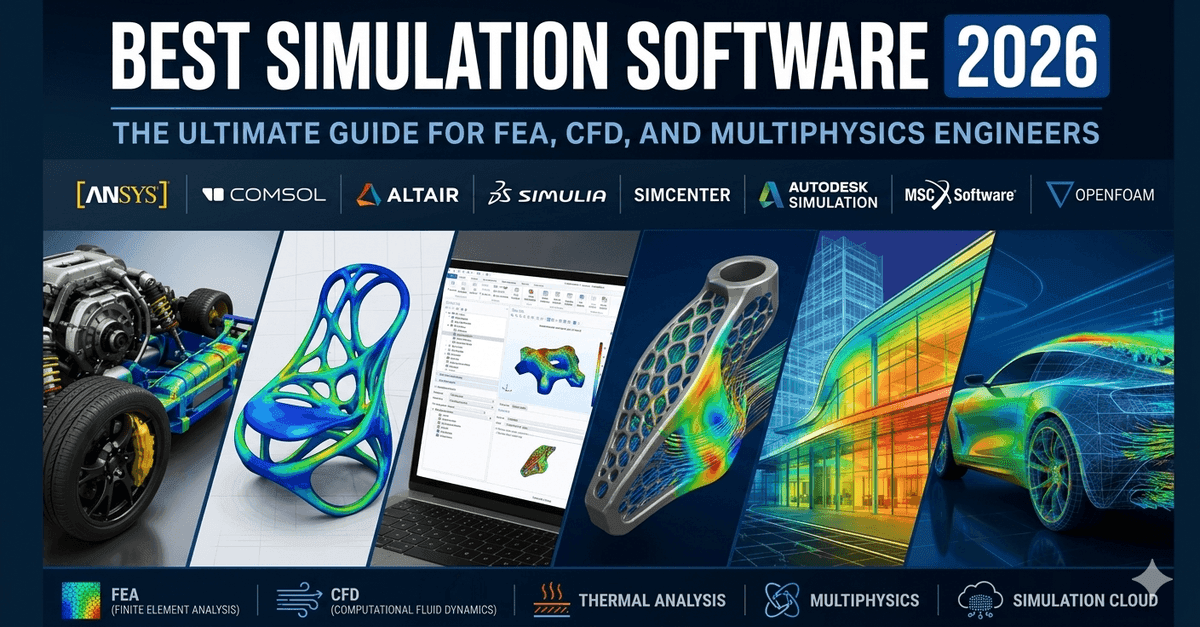
Best Simulation Software 2026 — CAE suites vs new constellation vendors

Best Simulation Software 2026: Incumbents, Specialists, and the New Constellation

The best simulation software in 2026 depends on whether you need deep multiphysics breadth, vertical domain expertise, or cloud-native accessibility. The market has quietly split into three layers: legacy CAE suites that still dominate complex physics, vertical specialists built for casting, molding, EM, and process simulation, and a new constellation of cloud-native and AI-assisted tools redefining how engineers interact with simulation. This is the independent guide to all three.

· 19 min read
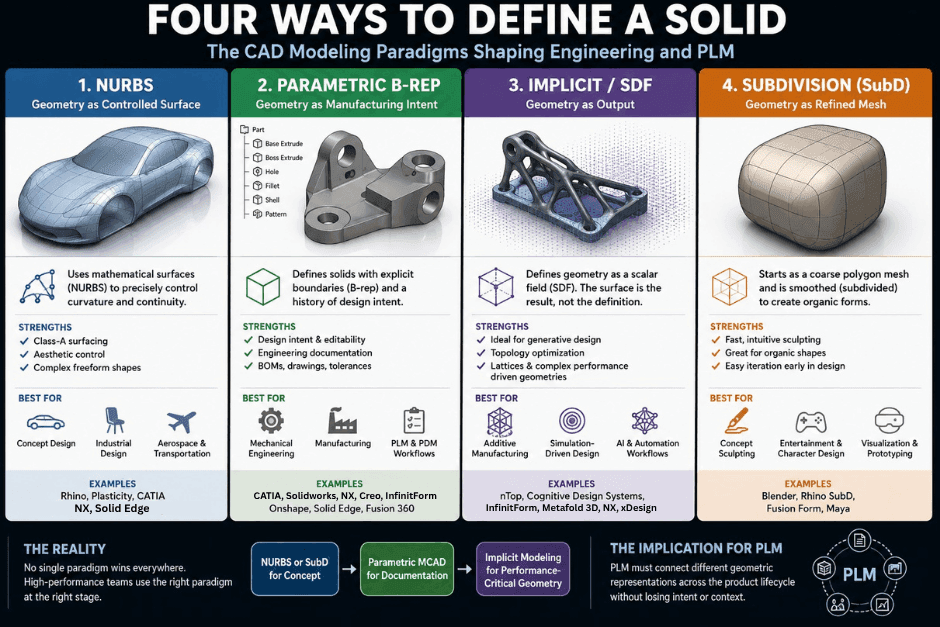
CAD modeling paradigms — NURBS, parametric, implicit SDF, and subdivision surface approaches to defining geometry

Four Ways to Define a Solid: The CAD Modeling Paradigms Behind Modern PLM

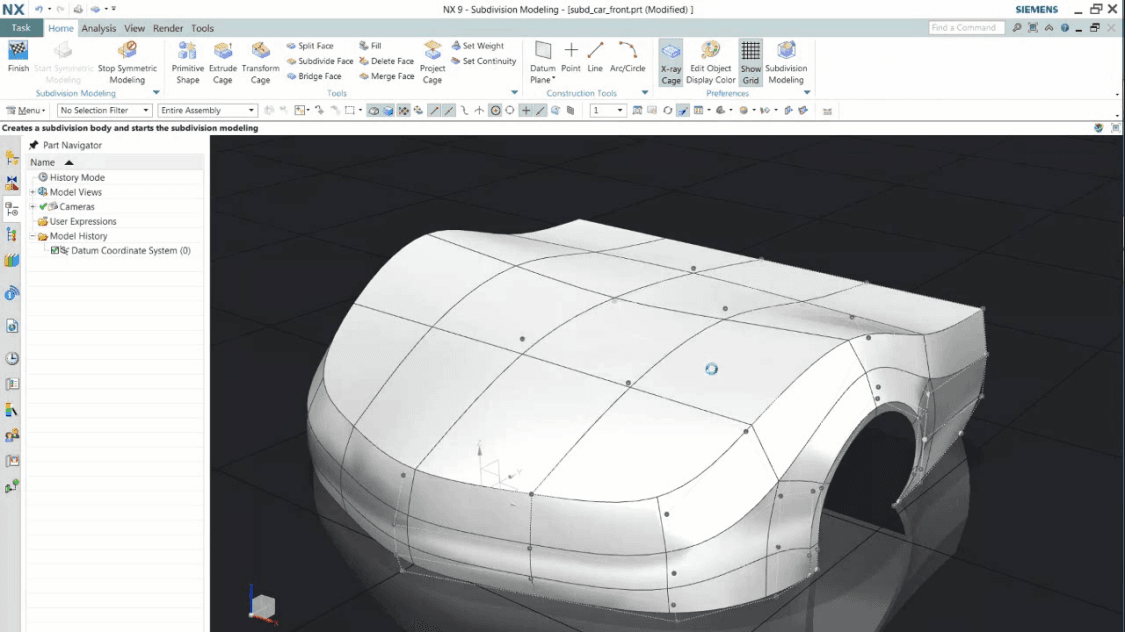
Four fundamentally different mathematical approaches underlie every CAD tool you use. NURBS-based modelers sculpt smooth surfaces. Parametric MCAD captures manufacturing intent in a feature tree. Implicit/SDF systems generate geometry from physics and constraints. Subdivision surfaces bridge concept sculpting and NURBS refinement. Understanding which paradigm applies — and when to combine them — is the strategic question for every engineering team in 2026.
Key Concepts

3DEXPERIENCE Platform

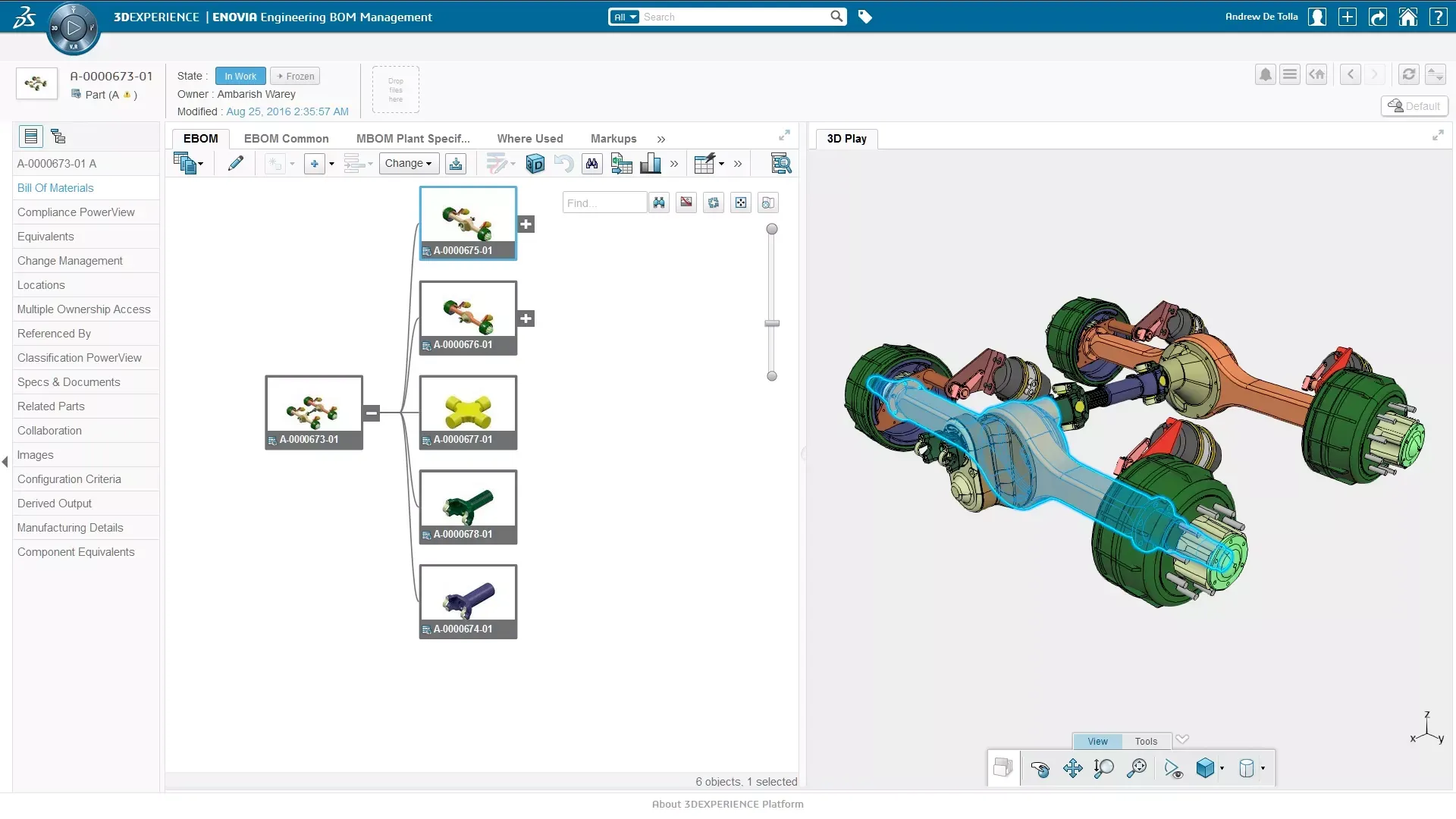
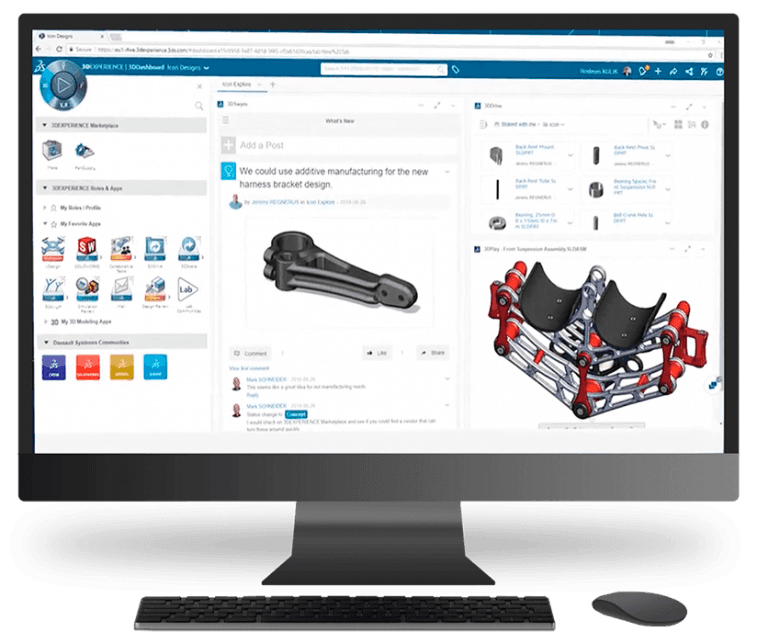
The 3DEXPERIENCE Platform is Dassault Systèmes' unified business platform that integrates PLM, simulation, manufacturing, and collaboration capabilities under a single brand and data environment. Introduced in 2012, it reframes PLM not as a product data repository but as a business experience spanning design (CATIA), simulation (SIMULIA), manufacturing (DELMIA), data management (ENOVIA), and go-to-market (EXALEAD/NETVIBES).

5-Axis Machining

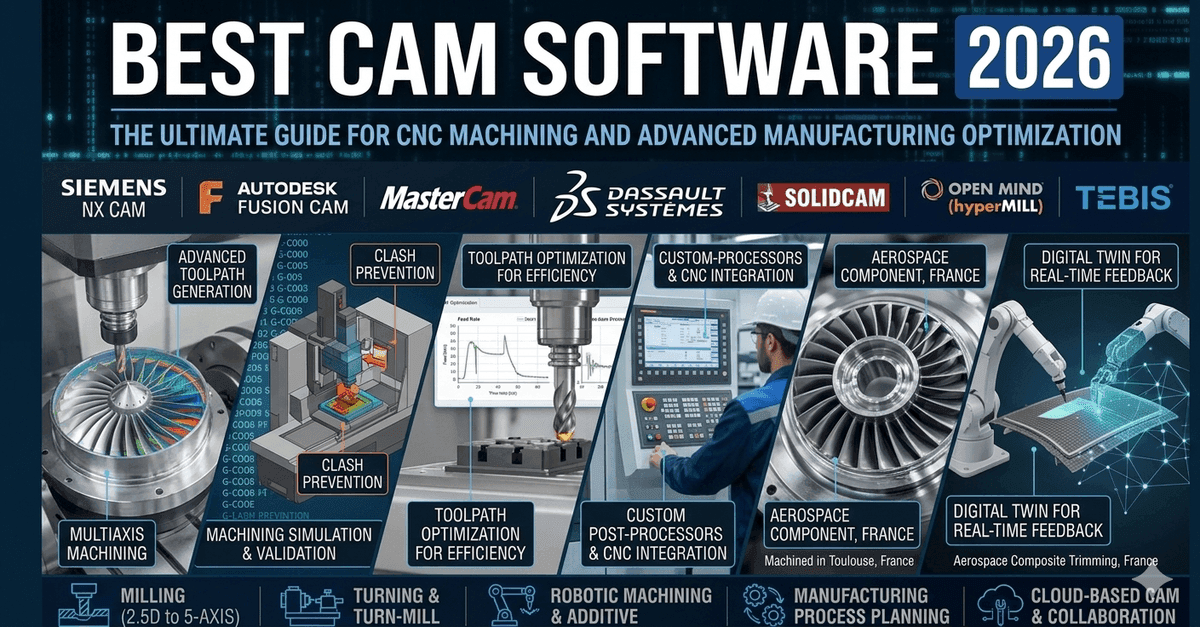
5-axis machining refers to CNC machining operations where the cutting tool can move along three linear axes (X, Y, Z) and simultaneously rotate around two rotary axes (typically A and B, or A and C). 5-axis capability allows machining of complex, undercut, and contoured geometries in a single setup that would otherwise require multiple setups or specialized fixturing on 3-axis machines. Applications include aerospace structural components, turbine blades and blisks, impellers, complex molds, and medical implants.

Agentic AI

Agentic AI refers to AI systems that can take sequences of actions, use tools, and pursue goals autonomously over extended time horizons — beyond single-turn question-and-answer interactions. In manufacturing, Agentic AI would initiate change orders, query multiple data sources, generate engineering documentation, and route work through approval workflows without human intervention at each step. As of 2026, Agentic AI in manufacturing is in prototype and pilot stages; production deployment of agents that can autonomously initiate and execute engineering changes is not yet widespread.

AI Copilot (Engineering)

An AI copilot in engineering is an AI assistant that integrates into CAD, PLM, or ERP workflows to augment engineer productivity. Copilots enable natural language queries against product data, automated generation of design alternatives, anomaly detection in simulation results, and intelligent search across large PLM datasets. Unlike autonomous agents, copilots present suggestions that engineers approve or reject — the human remains in the decision loop.

AI Engineering Copilot

An AI assistant embedded in engineering tools (CAD, simulation, PLM) that provides contextual suggestions, automates routine tasks, retrieves relevant historical data, and proposes design modifications — operating as a real-time collaborator in the engineer's existing workflow.