Kernel Wars: An Overview for PLM Practitioners
Definition and Context
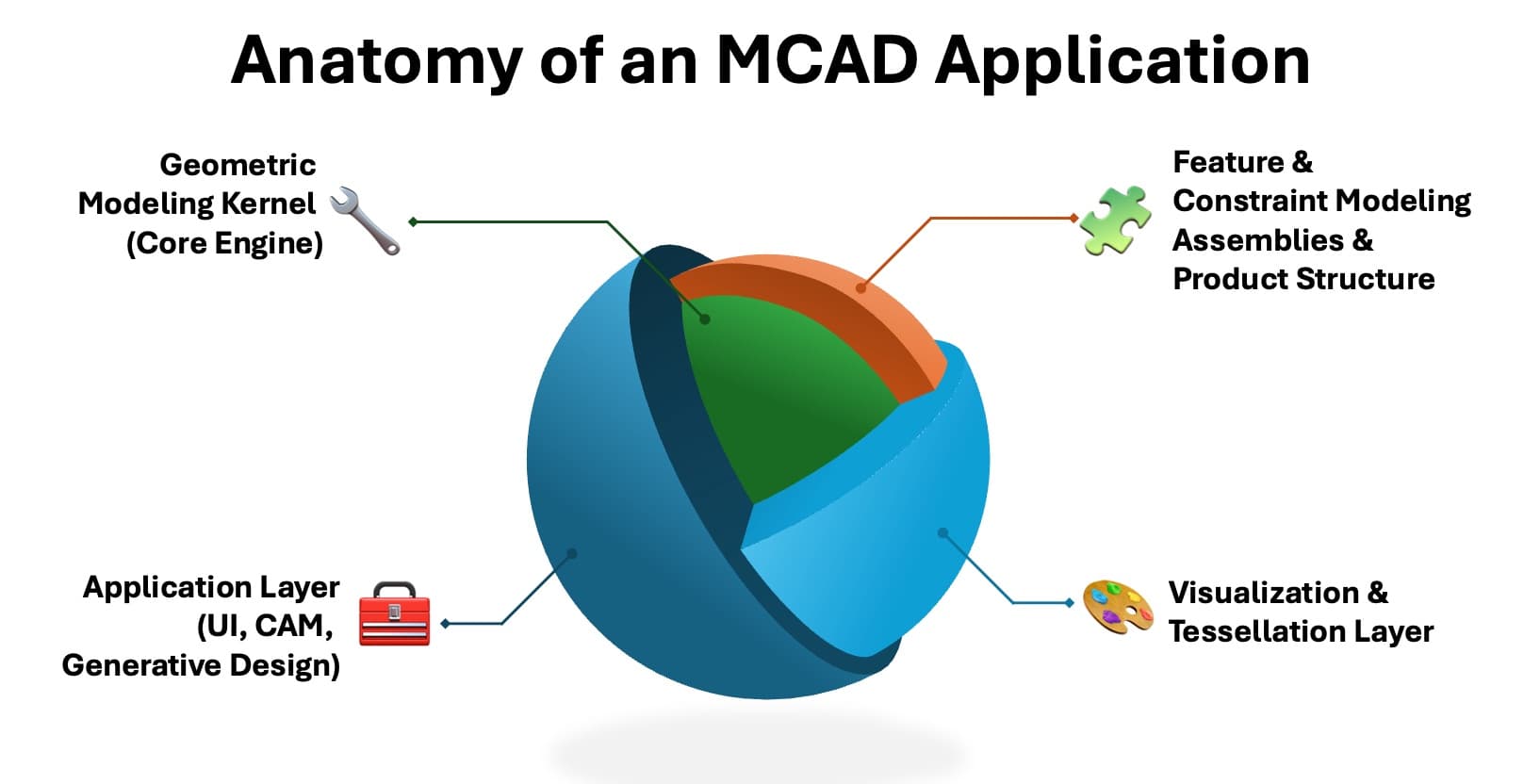
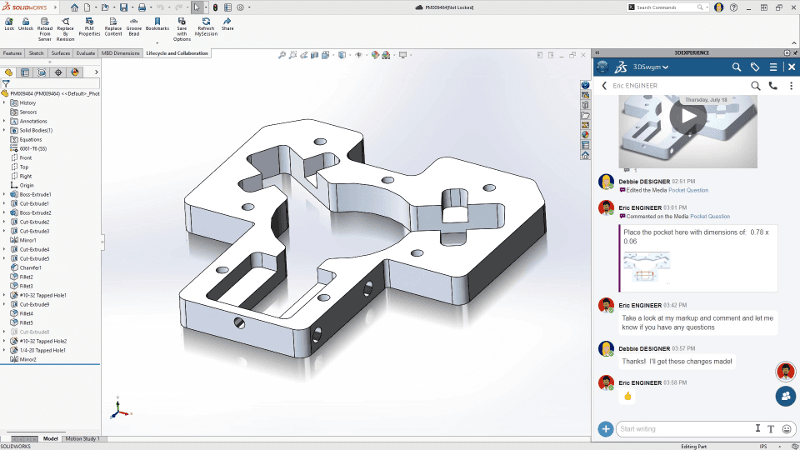
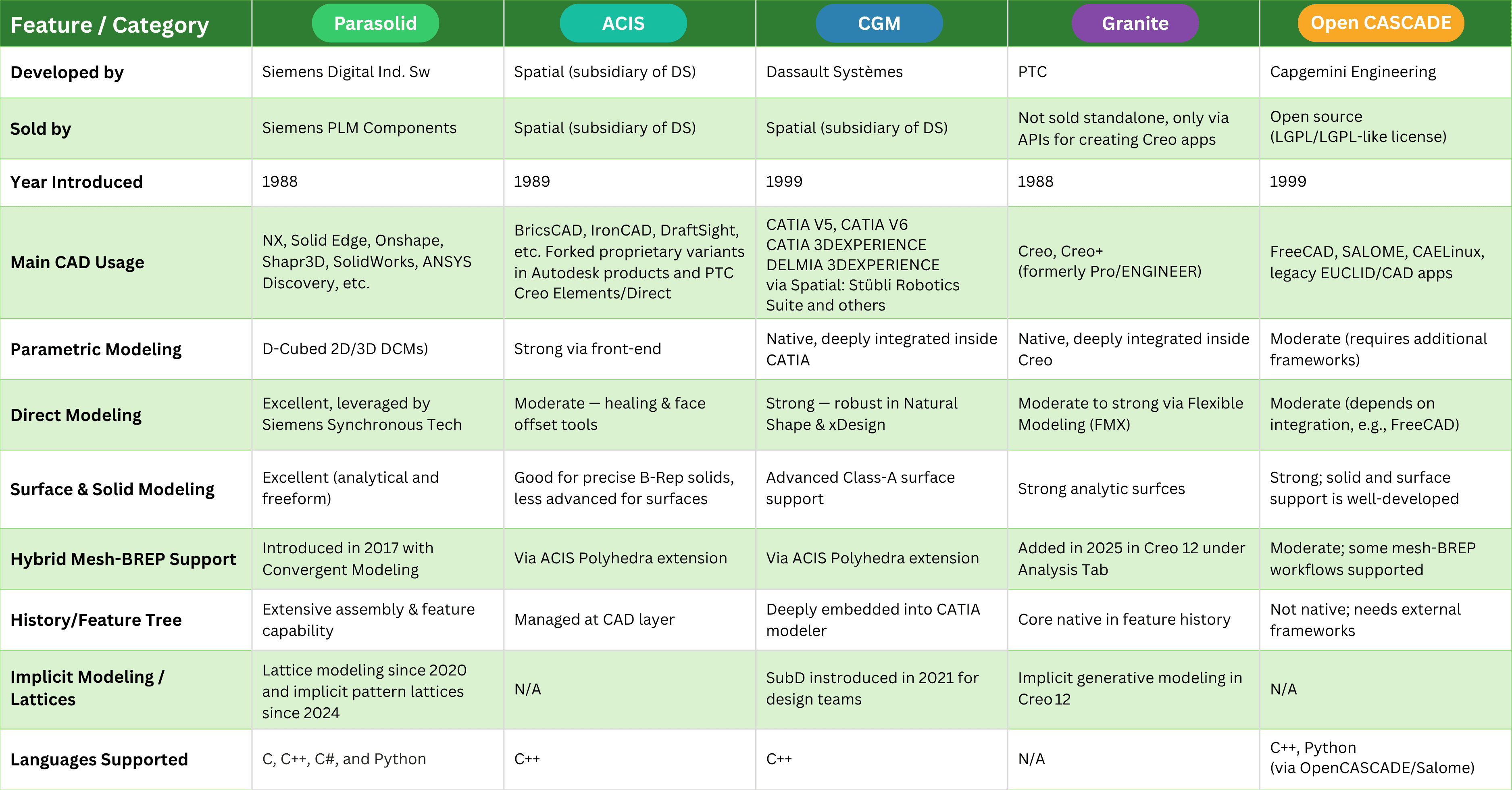
"Kernel Wars" in the context of Product Lifecycle Management (PLM) and engineering refers to the competition among software vendors offering core kernel technologies that form the foundation of Computer-Aided Design (CAD), Computer-Aided Manufacturing (CAM), and Computer-Aided Engineering (CAE) applications. These kernels are essential components that enable interoperability, integration, and innovation in PLM systems.
History
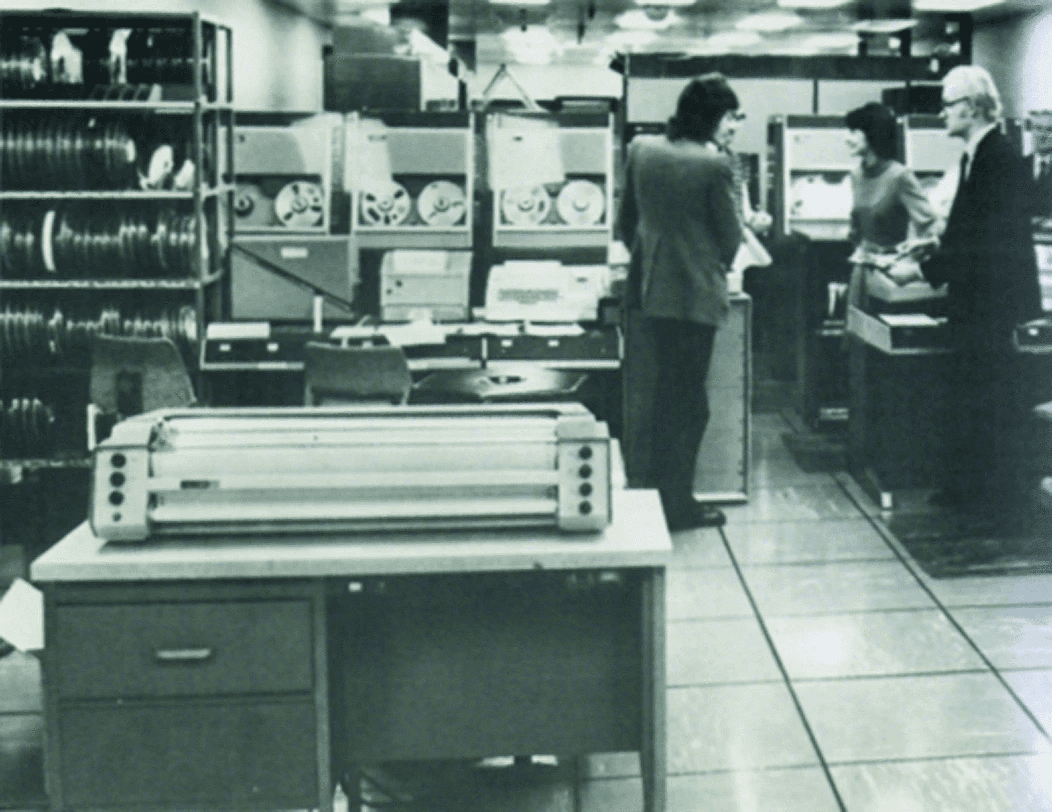
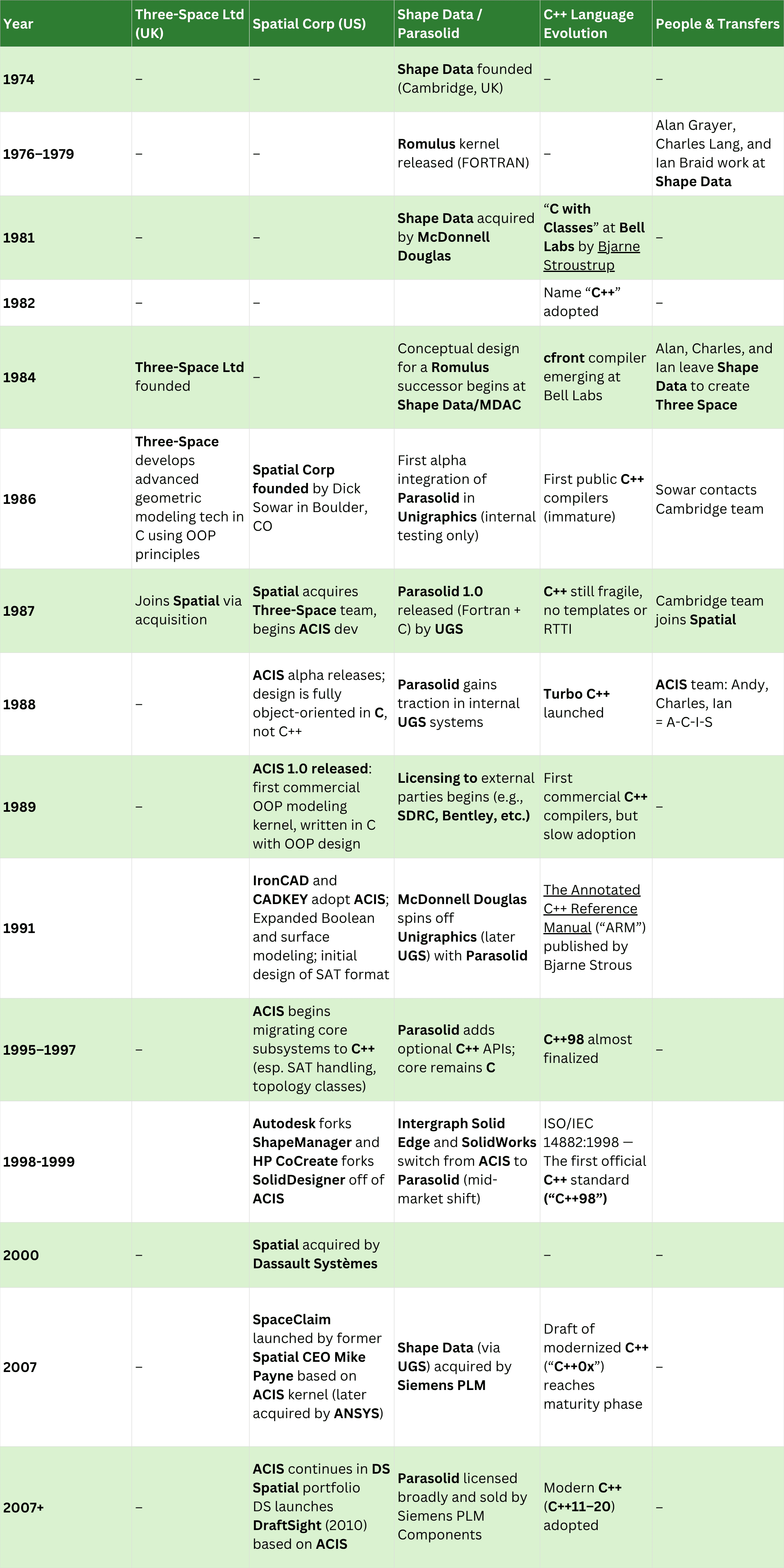
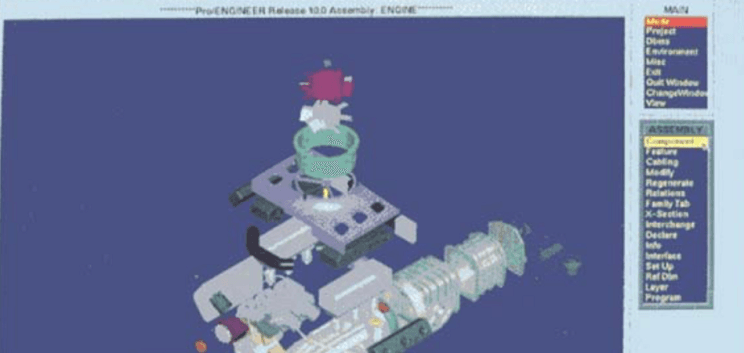
The history of Kernel Wars traces back to the early 1980s with the rise of personal computers and the development of proprietary CAD/CAM/CAE software by companies like Autodesk, Dassault Systèmes, Siemens, and PTC. Each vendor developed its own kernel technology to provide unique features and functionalities tailored to specific industries. Over time, these kernels have evolved significantly, driven by advancements in computing power, graphics processing capabilities, and data management technologies.
Key Concepts
-
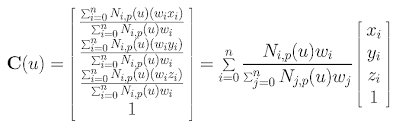
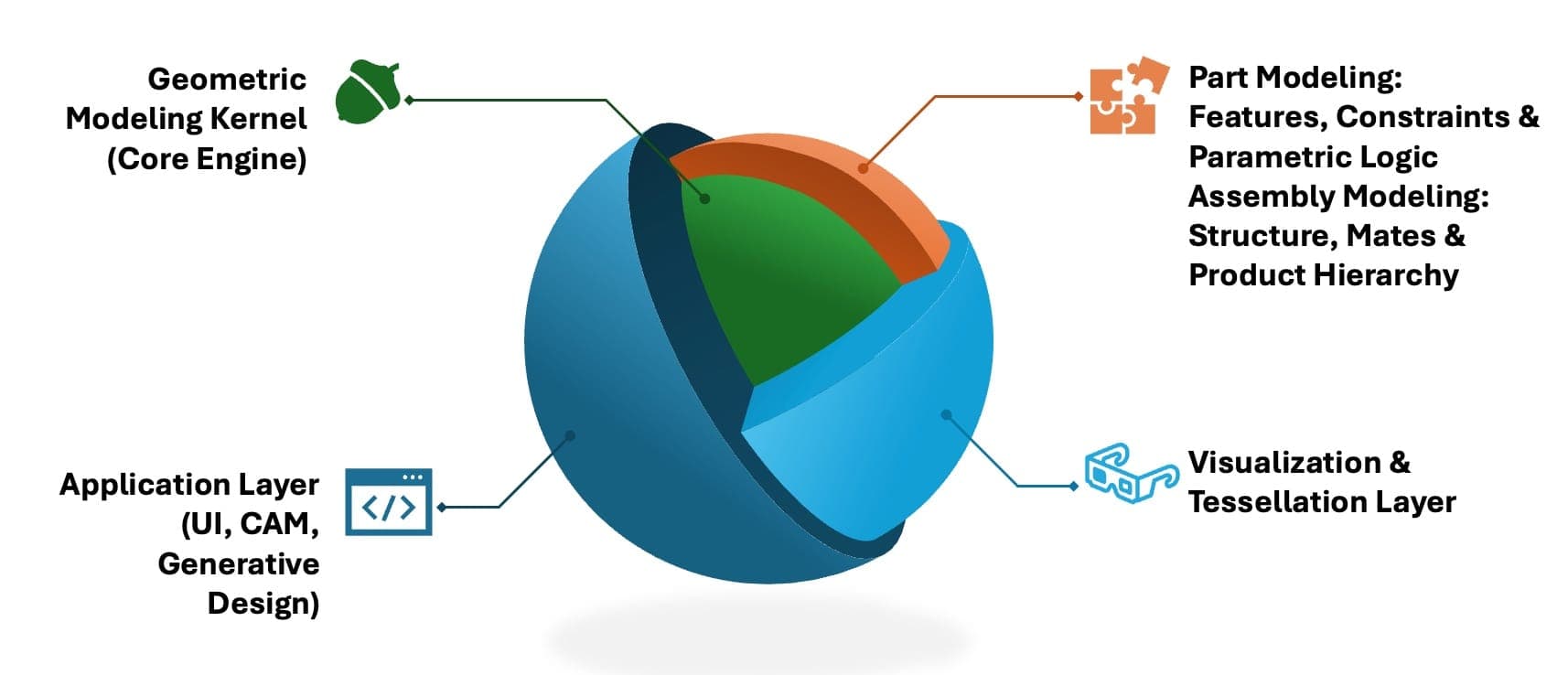
Kernel Architecture: The architecture of a CAD/CAM/CAE kernel defines how the software manages geometric modeling, data storage, and computational tasks. Modern kernels often incorporate advanced algorithms for real-time rendering, parameterized design, and complex simulations.
-
Interoperability Standards: To ensure seamless integration within PLM systems, kernels must adhere to interoperability standards like STEP (Standard for the Exchange of Product Model Data), ISO 10303, and Open CASCADE Technology (OCE). These standards facilitate data exchange between different software applications used in the product development lifecycle.
-
Customizability: Many kernel providers offer customization options allowing users to extend functionality through plug-ins or APIs. This flexibility enables companies to integrate their existing systems and processes more efficiently.
-
Performance Optimization: High-performance kernels are critical for handling complex models, large datasets, and real-time simulations. Factors such as multi-threading support, GPU acceleration, and efficient memory management play significant roles in achieving optimal performance.
Current Trends
-
Cloud-First Strategy: With the increasing adoption of cloud-based PLM solutions, kernel vendors are enhancing their offerings to support distributed computing environments. This includes developing kernels that can operate efficiently across different data centers while maintaining high levels of security and compliance.
-
AI Integration: Artificial Intelligence (AI) is increasingly being integrated into kernels to enhance automation, predictive analytics, and intelligent parameterization in design and simulation processes. Machine learning algorithms can help in optimizing designs based on historical data and real-world performance metrics.
-
Sustainability Focus: As environmental concerns grow, PLM practitioners are seeking tools that support sustainable product development practices. Kernels that enable lifecycle analysis, eco-design, and compliance with international standards are gaining importance.
-
Edge Computing: The trend towards edge computing is driving the need for kernels capable of processing data locally on devices such as IoT sensors or field-based machines. This reduces latency and enhances real-time decision-making capabilities in manufacturing environments.
Relevance to PLM Practitioners
Understanding Kernel Wars is crucial for PLM practitioners because the choice of kernel can significantly impact a company's ability to innovate, integrate with existing systems, and manage complex product development processes efficiently. Key considerations include:
- Vendor Lock-In: Assessing the risk of vendor lock-in due to proprietary kernel technologies.
- Scalability and Performance: Ensuring that the chosen kernel can handle future growth in project complexity and data volume.
- Integration Capabilities: Evaluating how well the kernel supports integration with other tools and systems within the PLM ecosystem.
In conclusion, "Kernel Wars" remains an ongoing competitive landscape for PLM practitioners. By staying informed about the latest developments in kernel technology, engineers can make more informed decisions that drive innovation and efficiency in their organizations' product development processes.