Overview of Parasolid in the PLM/Engineering Context
Definition and Background
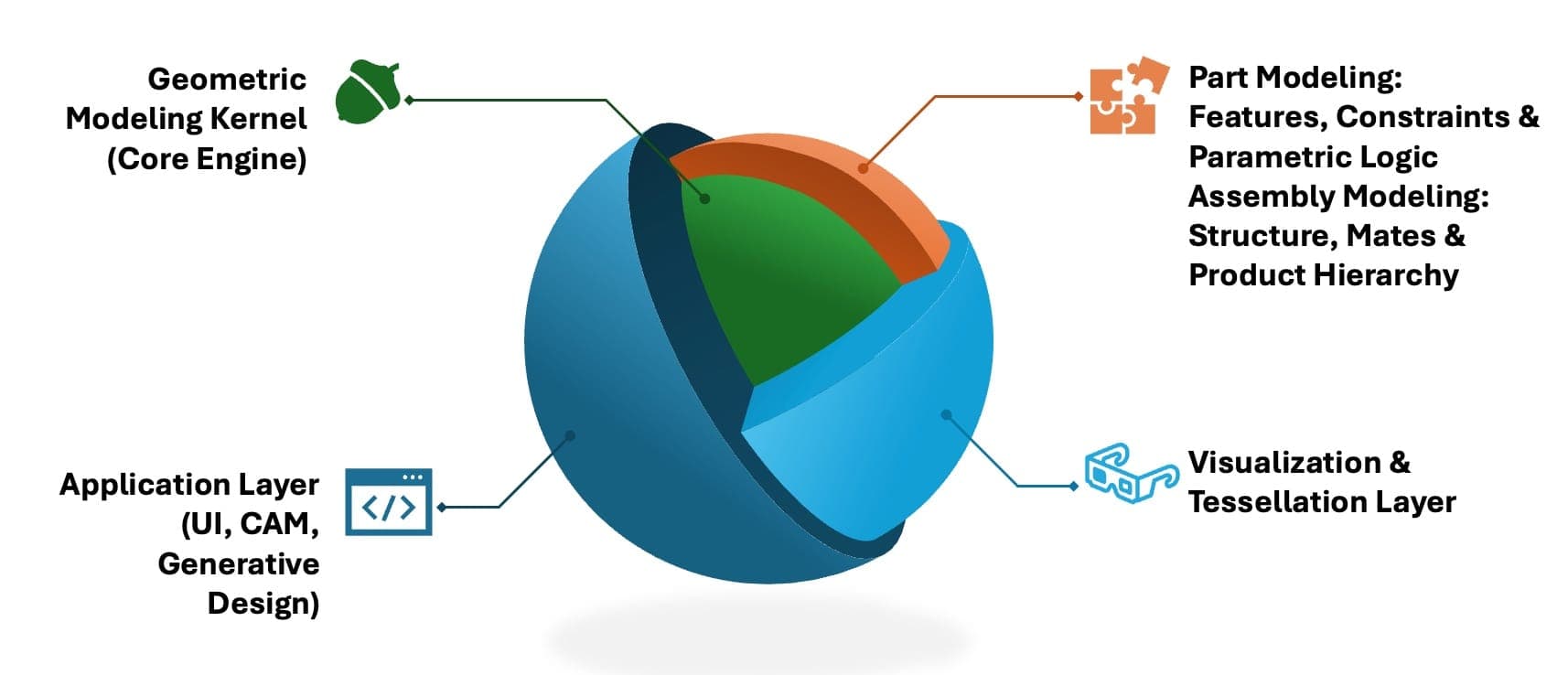
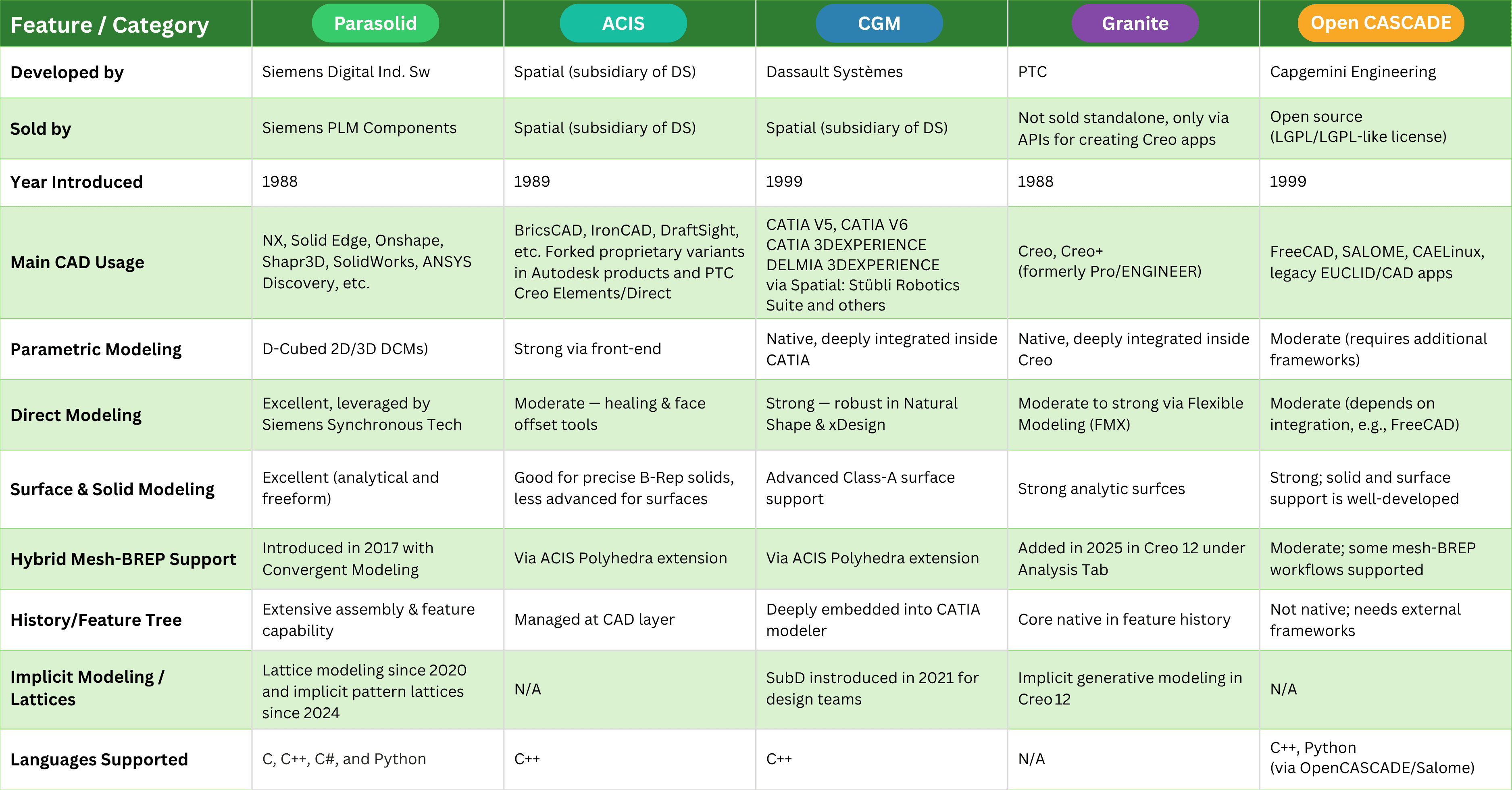
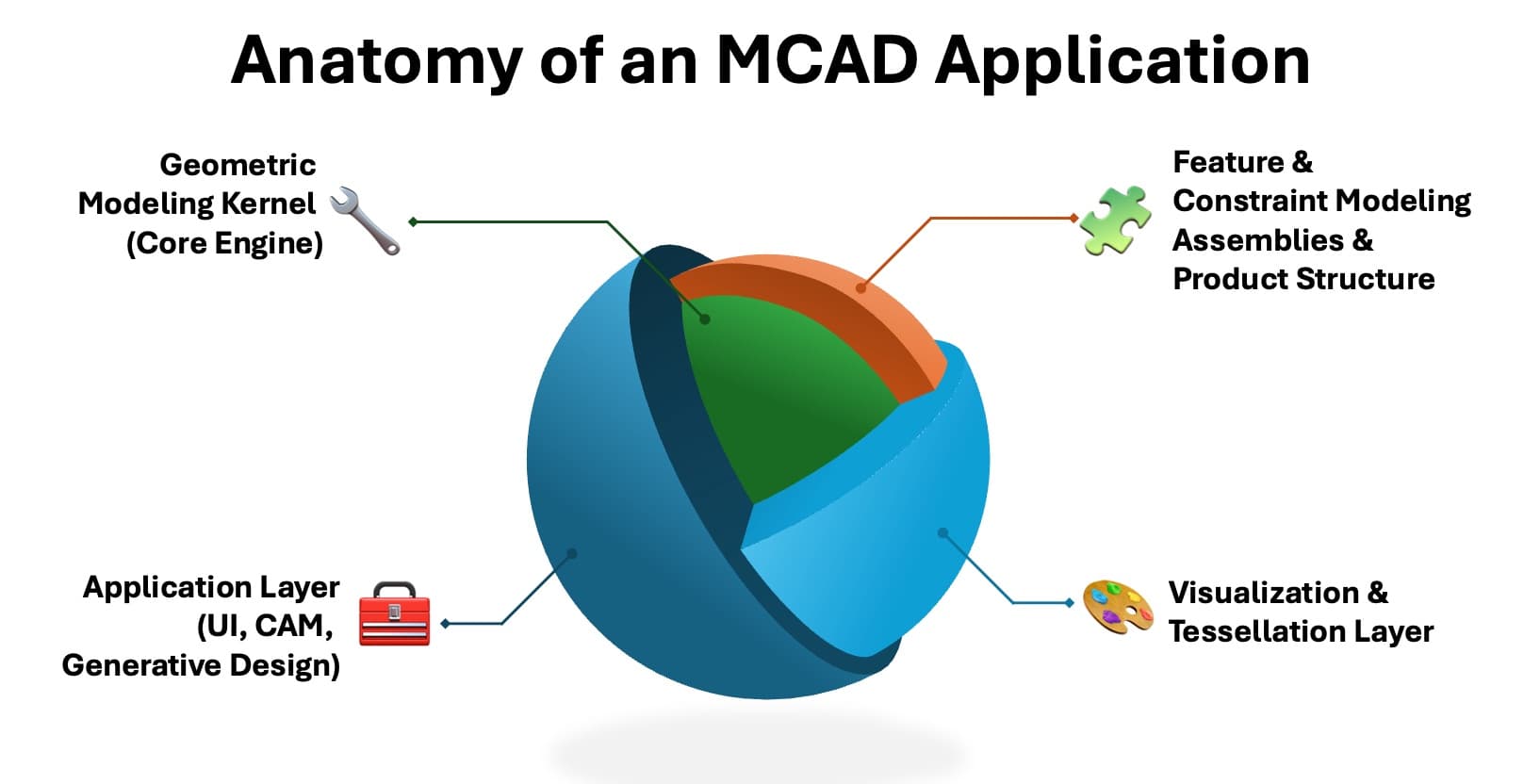
Parasolid is a commercial solid modeling kernel developed by Open Cascade Technology (OCT), which is owned by Dassault Systèmes. It serves as a foundational technology for various CAD, CAE, CAM, and other engineering applications, providing high-performance geometry modeling capabilities. Parasolid supports both open and closed 3D solids, enabling users to create precise and complex models used in product lifecycle management (PLM) processes.
History and Development
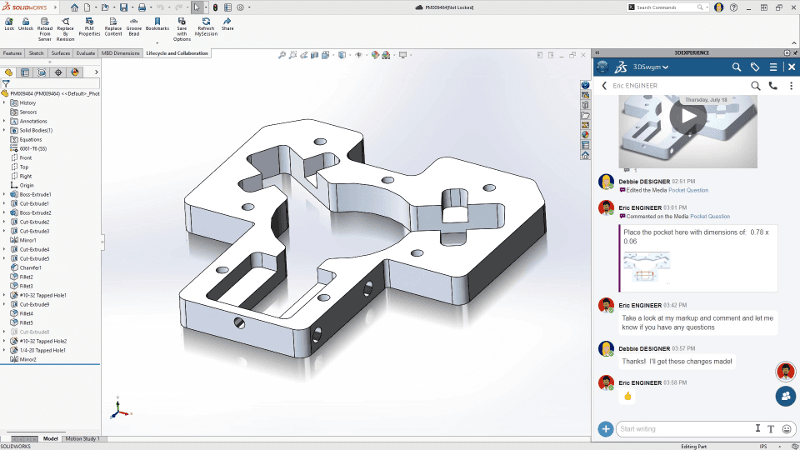
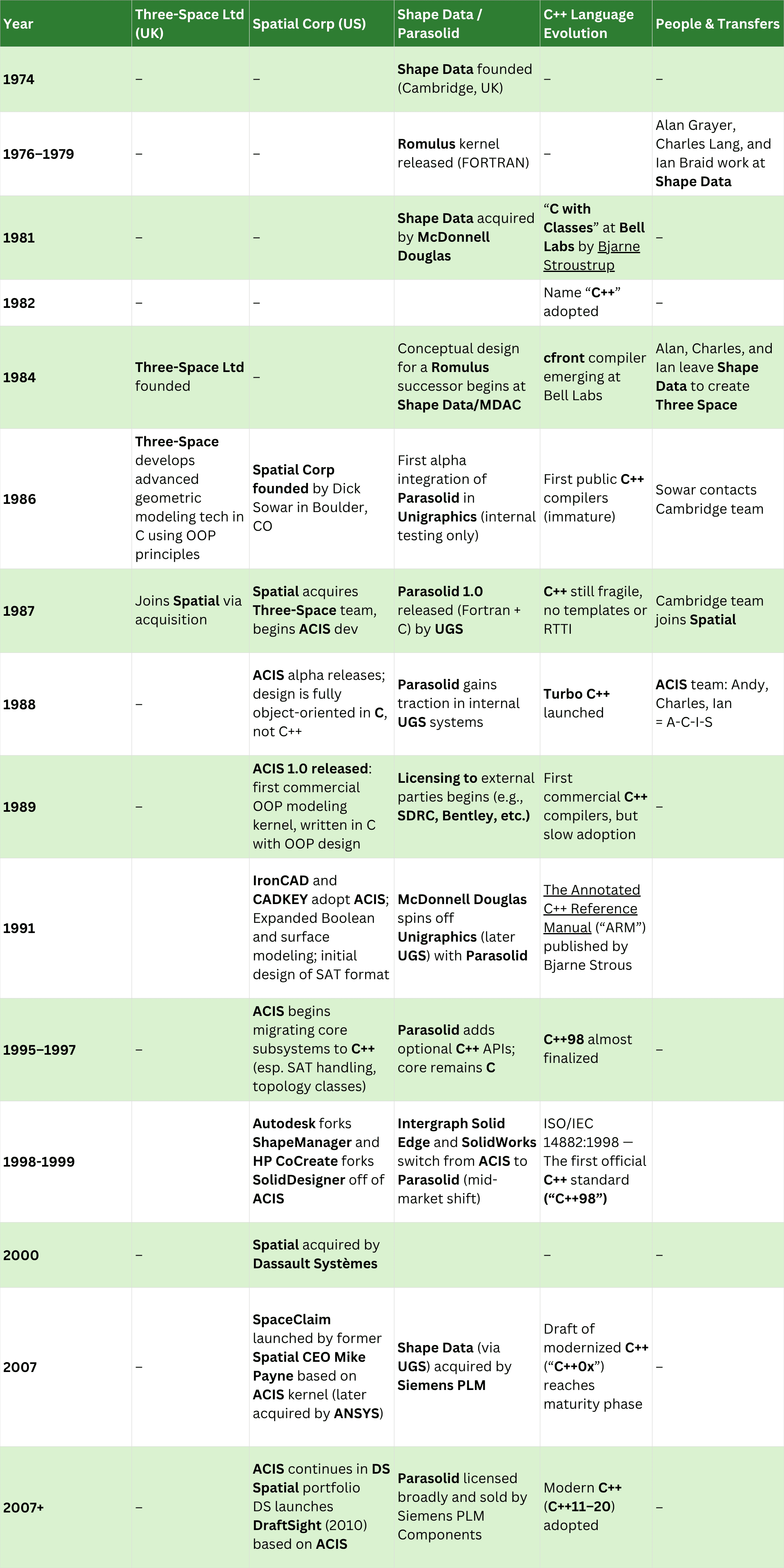
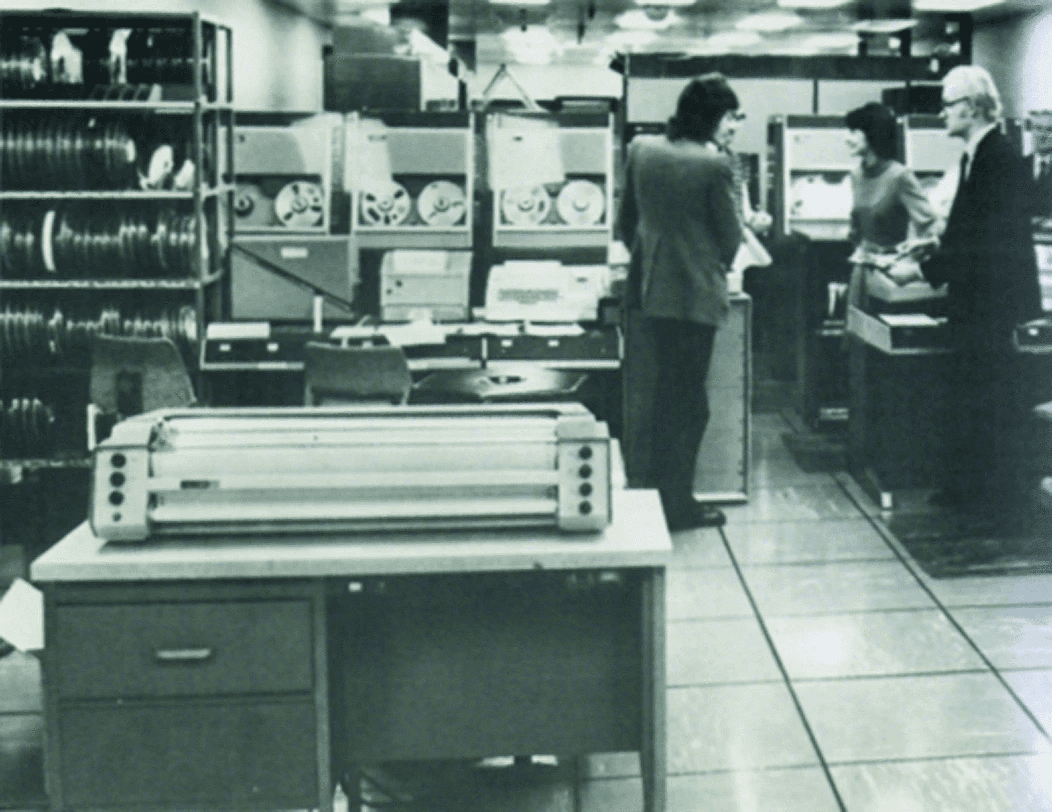
The history of Parasolid dates back to the late 1980s when it was developed by a team at Cambridge University. The original kernel gained significant traction in the 1990s, primarily through its integration into SolidWorks, one of the most popular CAD applications today. Over the years, Parasolid has evolved from an academic project into a robust industrial-grade geometry engine, enhancing its capabilities to meet the demands of modern engineering and PLM practices.
Key Concepts
-
Solid Modeling Kernel: Parasolid is designed as a solid modeling kernel, which means it provides fundamental geometric operations such as Boolean operations (union, intersection, difference), shape construction, and modification. These operations are crucial for creating and modifying complex 3D models.
-
Precision and Performance: Parasolid is known for its high precision in geometry representation and efficient computational performance. It supports a wide range of geometries, from simple primitives to highly detailed parametric models.
-
Cross-Kernel Synergies: The integration of Parasolid with other CAD kernels like ACIS (now owned by Dassault Systèmes) has been a key strategy for maintaining its relevance and expanding its user base. This synergy allows for seamless interoperability between different CAD systems, enhancing the overall PLM ecosystem.
Current Trends
-
AI Integration: With advancements in artificial intelligence and machine learning, there is an increasing focus on integrating Parasolid with AI tools to automate certain modeling tasks and improve design efficiency.
-
Cloud Solutions: As cloud computing becomes more prevalent, there is a trend towards developing Parasolid-based solutions that can be accessed remotely or hosted on the cloud. This not only enhances collaboration but also improves scalability for large-scale PLM applications.
-
Sustainability and Environmental Considerations: In response to growing environmental concerns, there is a push toward developing eco-friendly design tools. Parasolid's geometry capabilities can play a role in creating sustainable product designs by optimizing material usage and reducing waste during the manufacturing process.
Relevance to PLM Practitioners
For professionals working in the field of Product Lifecycle Management (PLM), Parasolid offers several benefits:
- Enhanced Design Efficiency: With its robust solid modeling capabilities, Parasolid helps streamline the design process, allowing engineers to create complex models more efficiently.
- Interoperability and Standardization: The integration with other CAD kernels ensures that designs can be easily shared across different systems, promoting standardization within the PLM ecosystem.
- Scalability and Flexibility: The ability to scale from small-scale projects to large enterprise-wide applications makes Parasolid a valuable tool for both individual designers and large organizations.
In conclusion, Parasolid remains a critical component in modern CAD and PLM practices. Its continued development and integration with emerging technologies ensure that it will remain relevant as the engineering industry evolves.