Key Takeaways
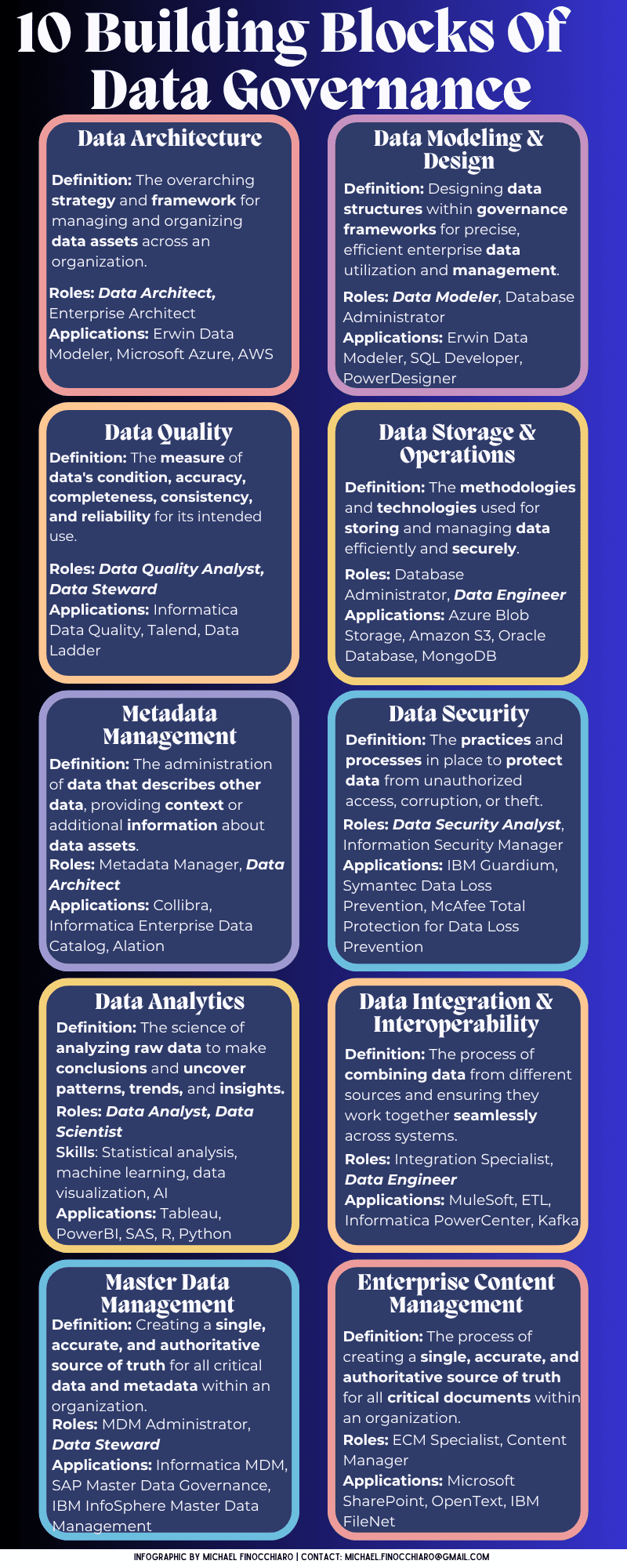
- Data governance framework defined
- Role of data stewards explained
- Benefits of data quality improvement highlighted
- Challenges in implementing data governance outlined
- Best practices for successful data governance implementation shared
Short Answer
Data governance ensures that product lifecycle management (PLM) data is accurate, consistent, and secure. It involves policies, processes, and technologies to manage the creation, storage, use, and disposal of data.
- Establishes clear data ownership and responsibilities
- Ensures compliance with regulations and standards
- Improves data quality and consistency across systems
- Enhances decision-making through reliable data
Why it matters: For PLM practitioners, robust data governance is crucial for maintaining regulatory compliance and ensuring the integrity of product development processes.
Want to listen instead of read? 56 DemystifyingPLM articles are available as audio.
Browse audio →Looking up PLM terminology? Browse the canonical reference.
PLM Glossary →Cite this article
Finocchiaro, Michael. “Data Governance.” DemystifyingPLM, June 4, 2024, https://www.demystifyingplm.com/data-governance
PLM industry analyst · 35+ years at IBM, HP, PTC, Dassault Systèmes
Firsthand knowledge of the evolution from early 3D modeling kernels to today's cloud-native platforms and agentic AI — the history, strategy, and future of PLM.