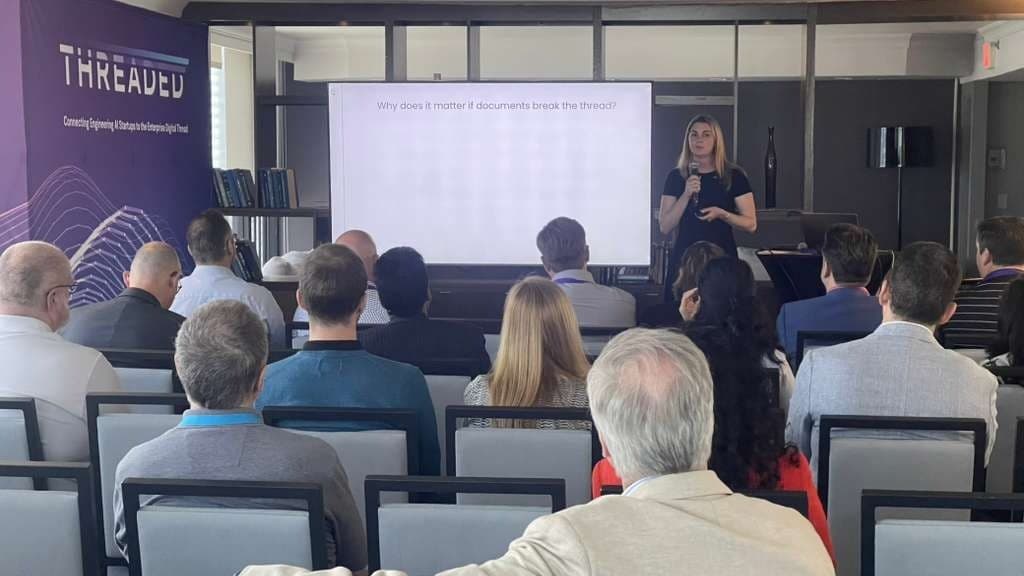
Overview of AI in the Context of PLM/Engineering
Definition and Historical Perspective
Artificial Intelligence (AI) refers to the simulation of human intelligence processes by machines, particularly computer systems. These processes include learning, reasoning, problem-solving, perception, understanding natural language, and more. The journey of AI spans decades, with its roots deeply embedded in advancements in computing power and data processing capabilities. In the context of PLM (Product Lifecycle Management), AI has emerged as a transformative force, enhancing efficiency, innovation, and decision-making processes.
Key Concepts
- Machine Learning (ML): A subset of AI that enables systems to automatically learn from and improve on experience without being explicitly programmed.
- Deep Learning: An advanced form of ML using neural networks with multiple layers to analyze complex data patterns.
- Natural Language Processing (NLP): Enabling machines to understand, interpret, and generate human language, making interaction between humans and AI more seamless.
- Predictive Analytics: Utilizing historical and real-time data to predict future outcomes or trends, facilitating proactive decision-making in product development.
Current Trends
- Integration of AI in PLM Systems: The integration of AI technologies into PLM systems is increasingly common, with tools like Siemens' Parasolid being pivotal for enhancing design and simulation capabilities.
- Enhanced Product Design and Development: AI-driven tools can predict optimal designs based on historical data, improving the efficiency and accuracy of product development cycles.
- Real-Time Monitoring and Optimization: AI enables real-time monitoring and optimization of processes throughout the product lifecycle, from initial concept to end-of-life.
- Automated Quality Assurance: AI can automate various quality checks and ensure compliance with industry standards through continuous data analysis.
Relevance to PLM Practitioners
PLM practitioners stand at a critical juncture where traditional practices intersect with cutting-edge technological advancements like AI. Here are some key areas of impact:
- Enhanced Design Efficiency: AI can significantly reduce the time and effort required for design iterations by predicting outcomes based on data from similar projects.
- Improved Decision-Making: By analyzing vast datasets, AI provides insights that help engineers make more informed decisions, leading to better product designs and reduced development costs.
- Sustainability and Compliance: AI tools can aid in ensuring sustainable practices and regulatory compliance through continuous monitoring and predictive analytics.
- Customer-Centric Design: AI-driven insights from customer feedback can be integrated into the design process, fostering a more customer-centric approach.
Conclusion
The integration of AI in PLM is reshaping engineering by enhancing efficiency, innovation, and decision-making processes. As highlighted in key articles such as "CDFAM Barcelona 2026 — Conference Report," "Siemens PLM Components 2026 — Parasolid: One Ring to Rule Them All?" and "The $15.7 Billion Shadow Ecosystem That's Rewriting Engineering Software," the future of engineering lies at the intersection of traditional PLM practices and advanced AI technologies. For practitioners, embracing these advancements can lead to more effective product development processes and competitive advantages in today’s rapidly evolving landscape.
By understanding and leveraging AI technologies, engineers can drive innovation, improve quality, and achieve greater efficiency in their projects, ultimately contributing to sustainable and successful product lifecycles.