Overview of PLM Comparison in the Engineering Context
Definition and Scope
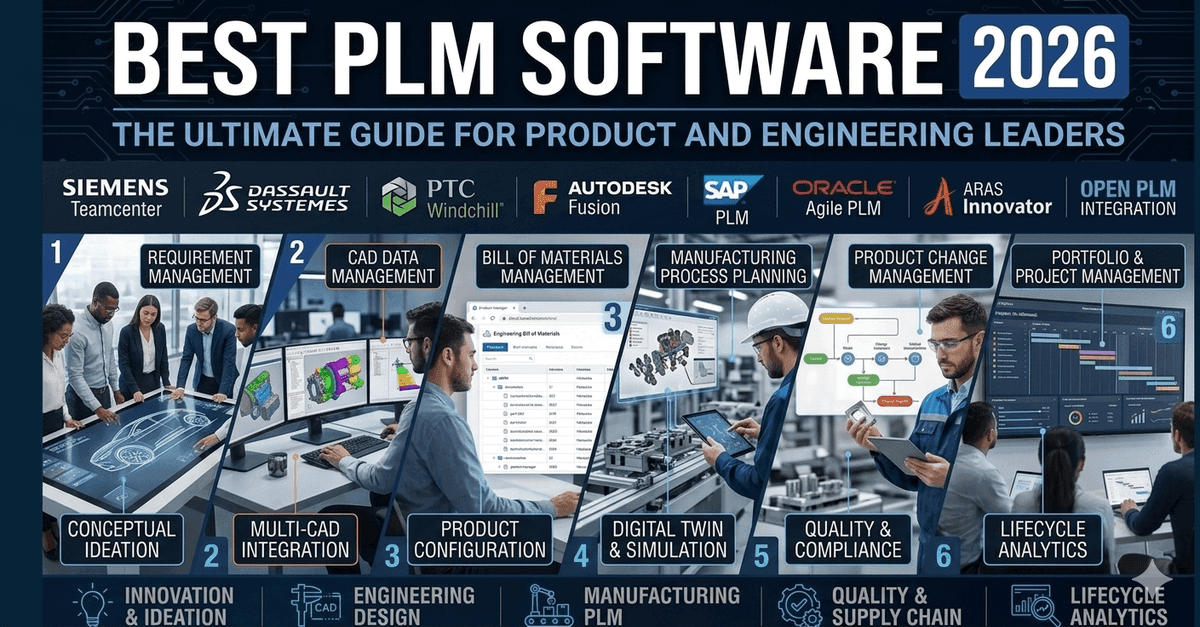
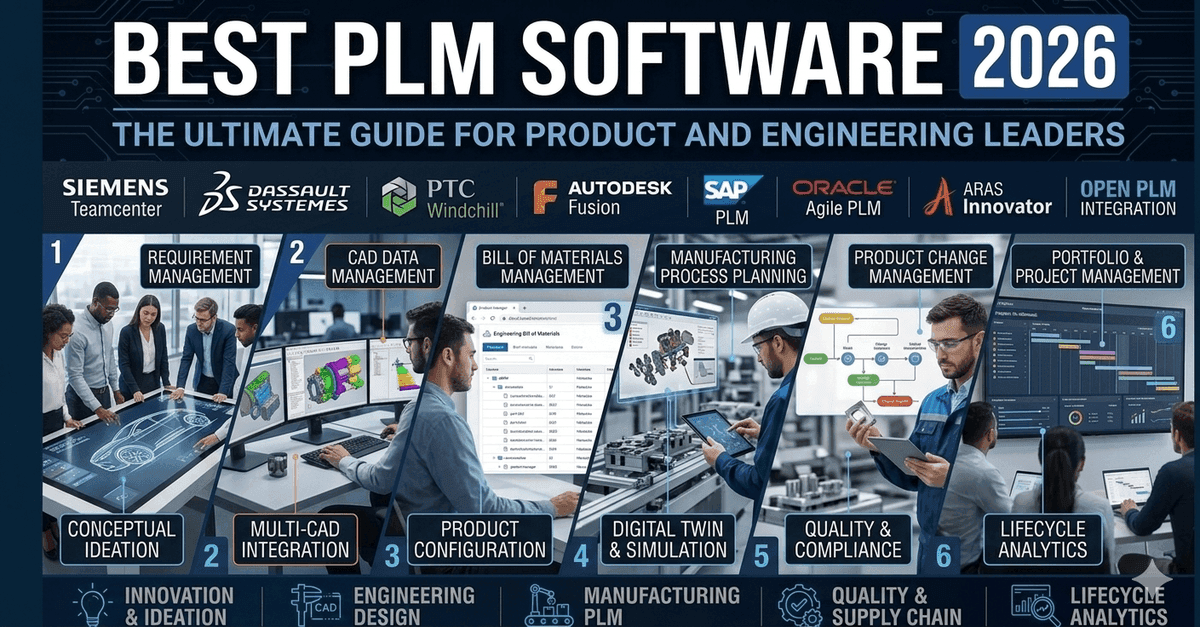
Product Lifecycle Management (PLM) is a comprehensive approach that manages data, processes, and assets throughout the entire lifecycle of a product—from conception to disposal. PLM involves integrating various stages such as design, manufacturing, sales, service, and retirement. Comparisons among different PLM solutions are essential for organizations looking to choose the most suitable platform based on their specific needs.
History
The concept of PLM evolved from early product data management (PDM) systems in the 1980s, primarily used by small to medium-sized companies. Over time, as technology advanced and industries grew more complex, larger enterprises began adopting enterprise-wide PLM solutions in the late 1990s and early 2000s. Today’s PLM platforms are sophisticated digital ecosystems that incorporate various tools and technologies, including cloud services, IoT, AI, and blockchain.
Key Concepts
PLM encompasses several key concepts:
- Data Management: Centralized storage and management of all product-related data.
- Collaboration: Facilitating communication and collaboration among stakeholders from different departments and across the supply chain.
- Process Optimization: Streamlining workflows to improve efficiency and reduce costs.
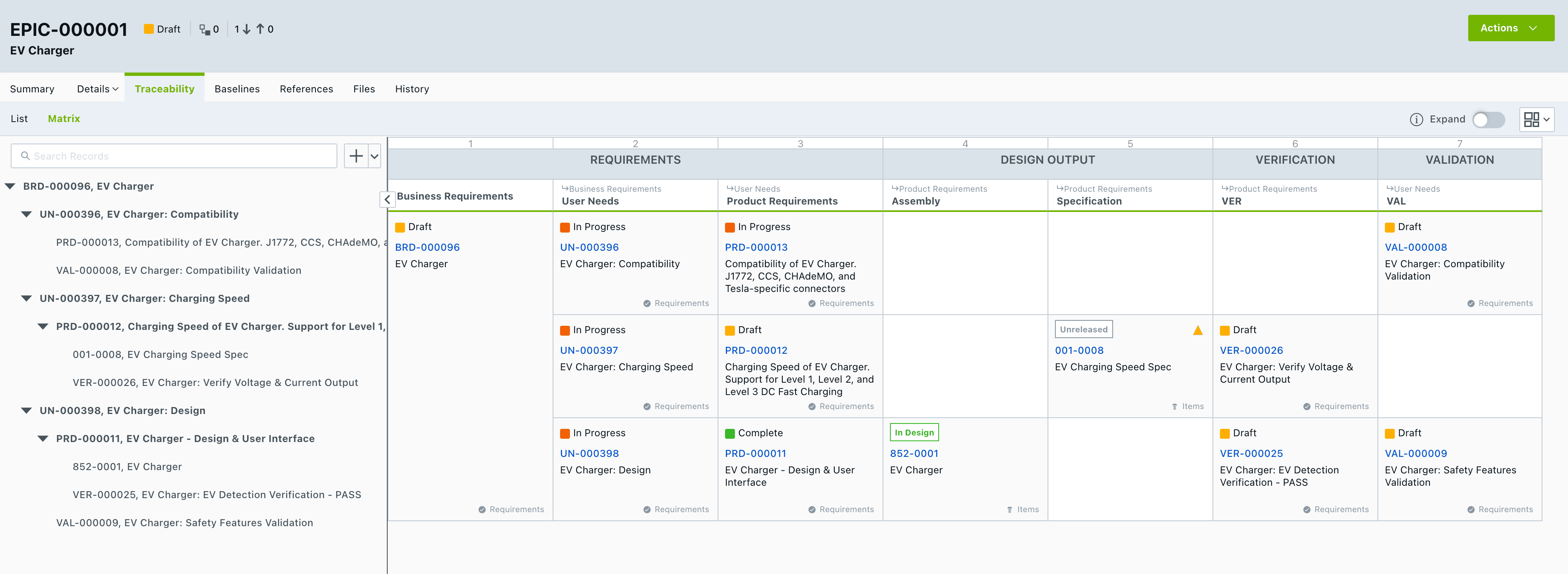
- Integration: Seamless integration with other enterprise applications such as ERP, CRM, and CAD.
Current Trends
Current trends in PLM include:
- Cloud Migration: Increased adoption of cloud-based PLM solutions for flexibility, scalability, and cost-effectiveness.
- Digital Twin Technology: Utilizing digital twins to simulate product behavior in virtual environments before physical prototyping.
- AI and Machine Learning: Enhancing decision-making processes through predictive analytics and intelligent data insights.
- Sustainability Focus: Incorporating environmental and social impact considerations into product design and lifecycle management.
Relevance to PLM Practitioners
PLM comparisons are crucial for practitioners as they help in selecting the most appropriate solution that aligns with organizational goals. Key factors include:
- Functionality and Customizability: Assessing whether a platform can meet specific functional requirements and support future growth.
- Scalability: Evaluating how well the PLM system scales to accommodate increasing user loads and more complex data.
- Security and Compliance: Ensuring that the chosen solution meets regulatory standards and provides robust security measures.
- Total Cost of Ownership (TCO): Considering both initial investment and ongoing operational costs.
Example Comparisons
Several comparisons highlight distinct features of various PLM solutions:
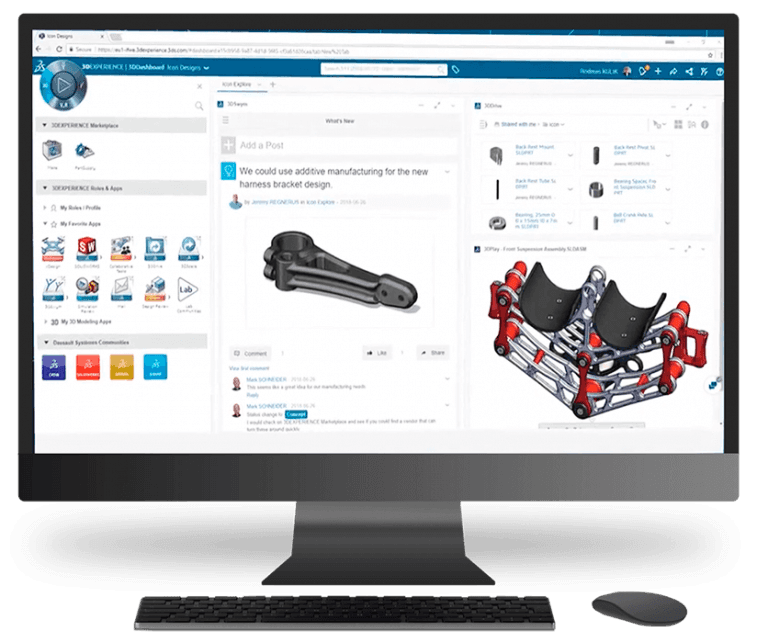
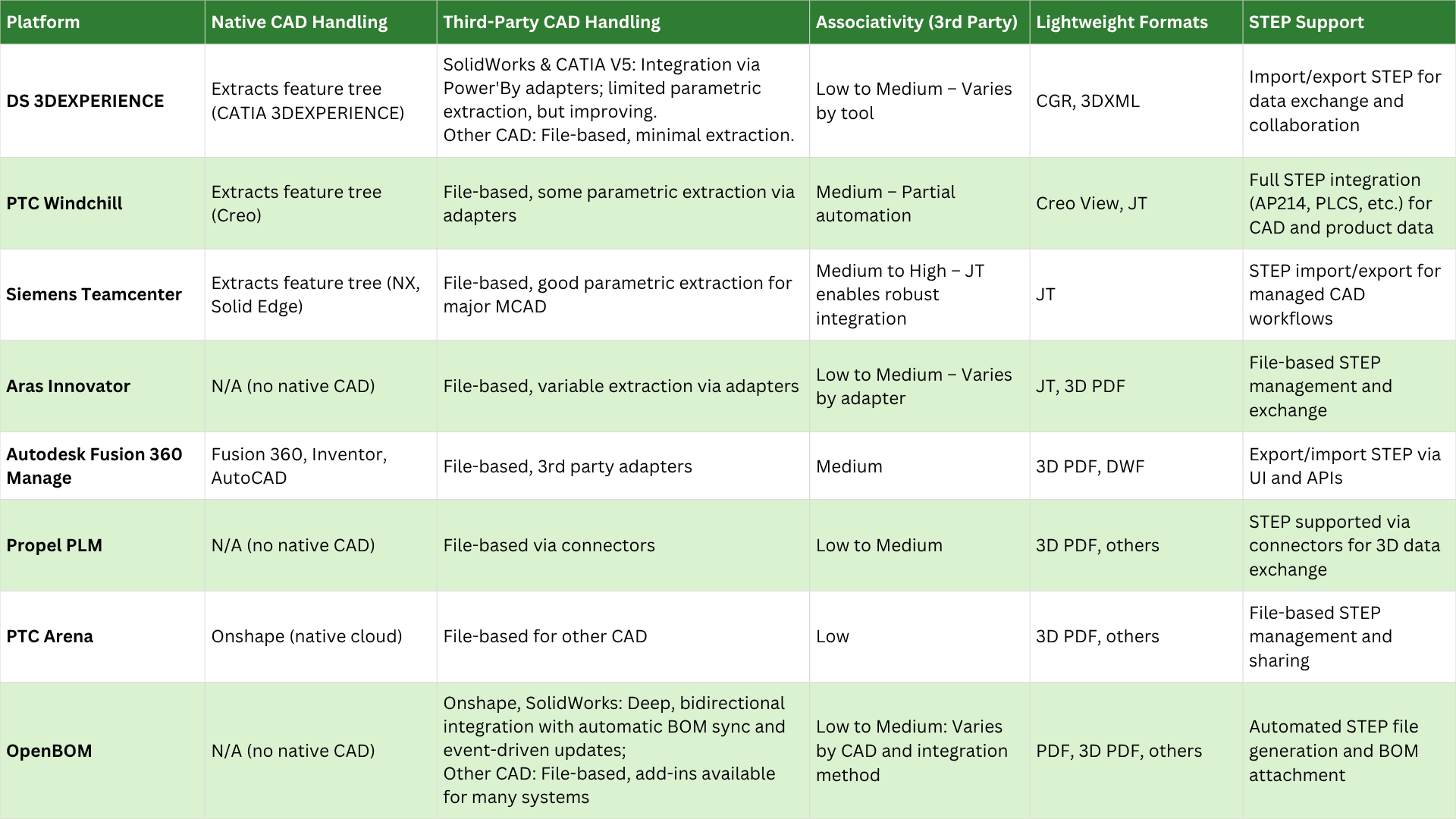
- 3DEXPERIENCE vs. Windchill: 3DEXPERIENCE offers an integrated platform with a focus on collaborative innovation, while Windchill is known for its modular approach and comprehensive data management.
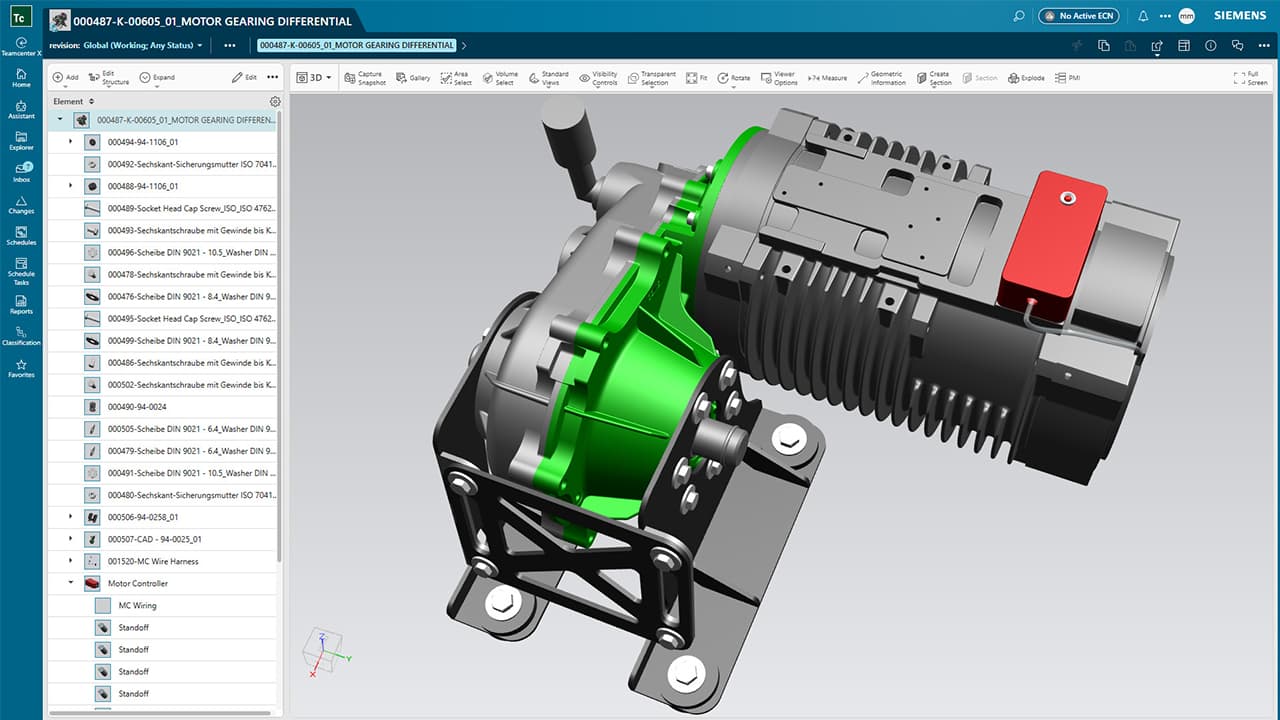
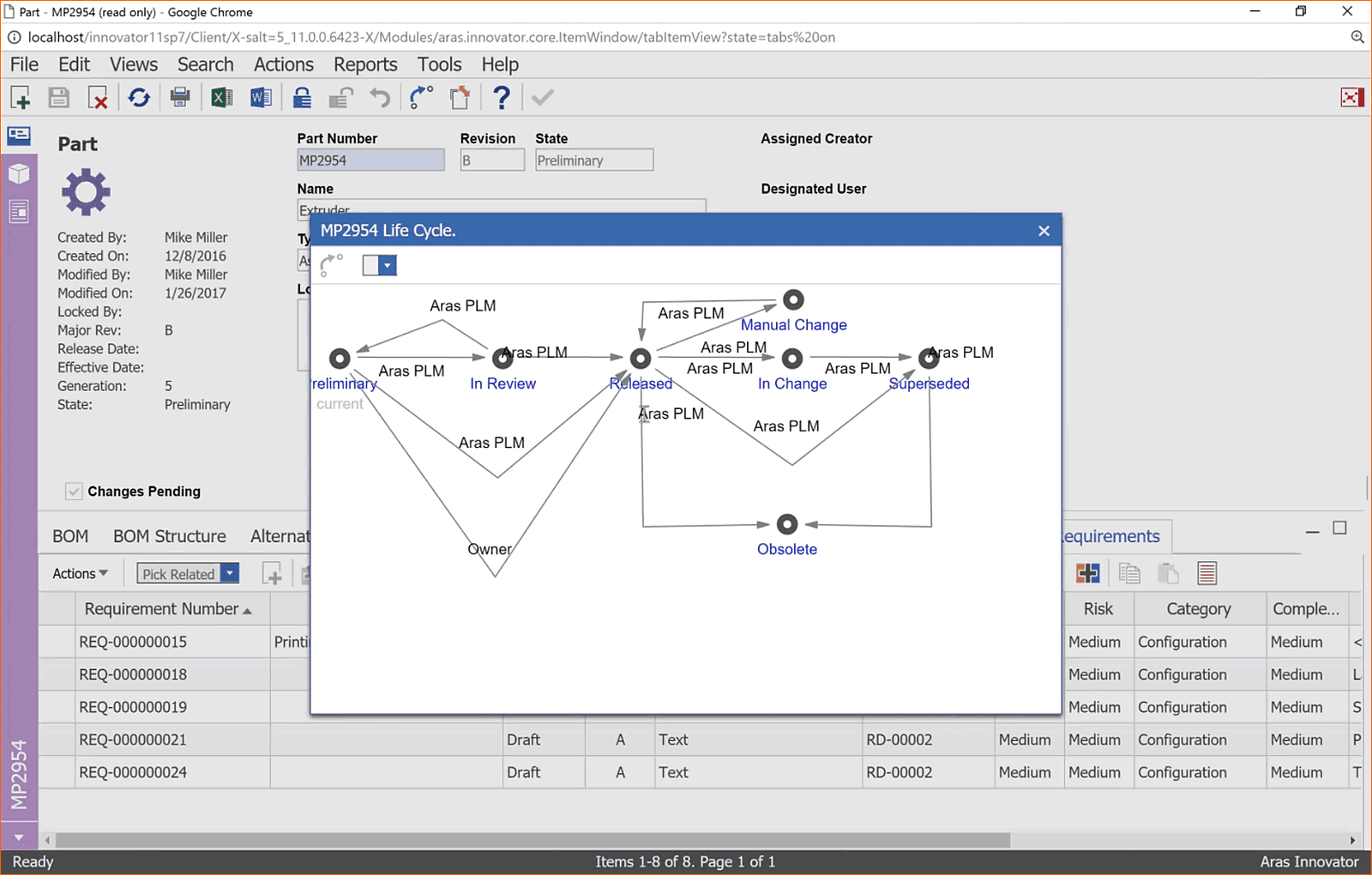
- Aras vs. Teamcenter: Aras emphasizes flexibility in workflow customization, whereas Teamcenter focuses on scale and enterprise-wide deployment capabilities.
- Windchill vs. Teamcenter: This comparison delves into the strengths of both platforms, particularly their suitability for large manufacturers with complex product portfolios.
In conclusion, comparing different PLM solutions is essential for organizations aiming to leverage digital transformation effectively. By understanding key concepts, current trends, and relevant factors, practitioners can make informed decisions that align with strategic goals and optimize operations.