PLM History 101: An Overview of Product Lifecycle Management Evolution
In today’s highly connected and fast-paced technological landscape, understanding the evolution and historical context of Product Lifecycle Management (PLM) is crucial for engineers and PLM practitioners. This overview delves into the fundamental concepts, key milestones, and current trends in PLM history to provide a comprehensive foundation.
Definition of PLM
Product Lifecycle Management refers to the processes, tools, and information management strategies employed throughout the life cycle of a product from inception to disposal. It encompasses the entire lifecycle including development, production, maintenance, and decommissioning, ensuring that all relevant data is captured and utilized effectively at each stage.
Historical Context: PDM (Part 6) - Toward PLM and the Digital Thread
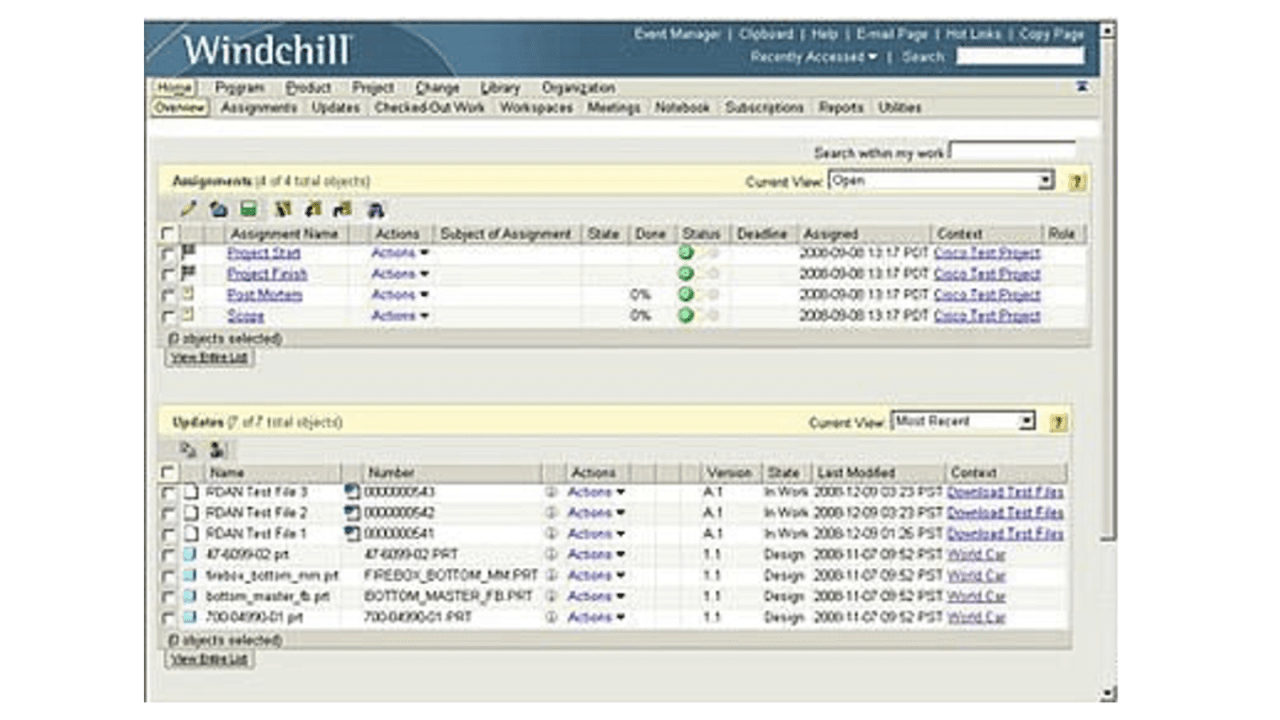
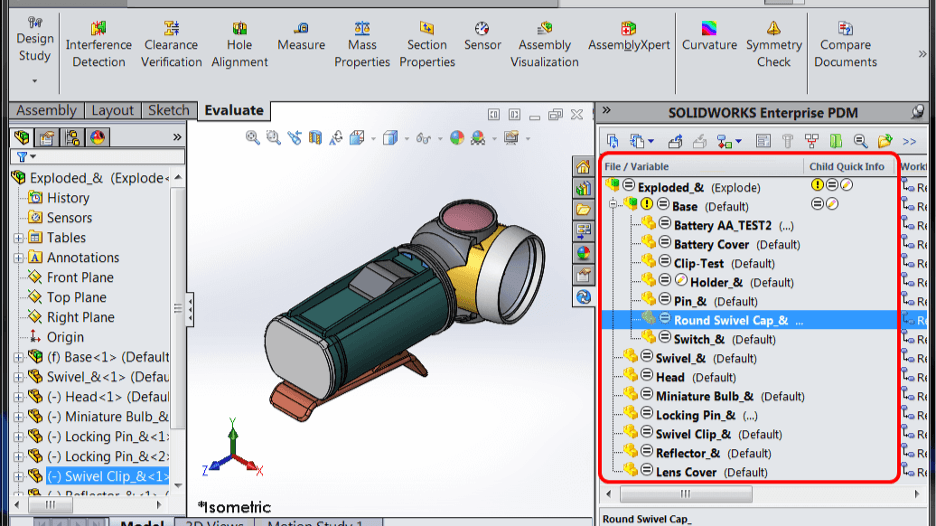
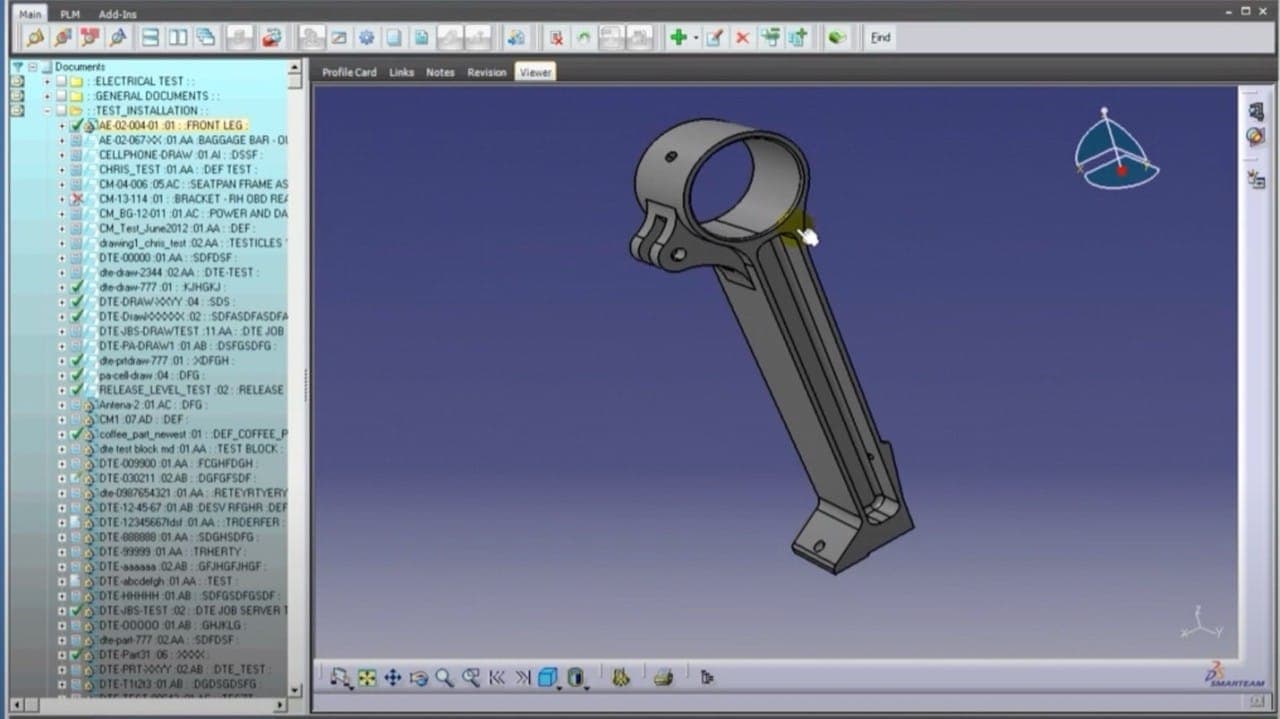
The journey towards modern PLM began with early stages of Product Data Management (PDM). In the late 1980s and early 1990s, as computer-aided design (CAD) tools became more prevalent, engineers started to use these tools not just for designing products but also managing product data. This marked the beginning of PDM, focusing on organizing and controlling digital product information.
Key milestones include:
- Early Automation: The introduction of CAD systems in the 1980s led to the first attempts at automating document management.
- PDM Systems: In the mid-1990s, specialized PDM systems were developed to manage complex data structures and relationships between documents and designs.
- PLM Emergence: By the late 1990s, as enterprises sought to integrate their processes across departments, PLM emerged as a more comprehensive solution that encompassed not just data management but also process management.
Key Concepts
-
Digital Thread: This concept evolved from PDM and PLM practices. It represents the seamless flow of information about a product throughout its lifecycle. The digital thread connects all related systems and processes, ensuring data integrity and consistency.
-
Collaboration: Early PDM focused on internal process optimization. Modern PLM emphasizes cross-functional collaboration, enabling better communication and alignment across departments like design, engineering, manufacturing, and sales.
Current Trends
- Digital Twin: Integrating physical products with digital representations to monitor real-time performance data and optimize operations.
- AI & Machine Learning: Enhancing predictive maintenance and quality control through advanced analytics.
- Cloud Adoption: Moving towards cloud-based PLM solutions for enhanced scalability, accessibility, and security.
Relevance to PLM Practitioners
Understanding the historical evolution of PLM is essential for practitioners as it provides context on how current technologies and practices have developed over time. Familiarity with key concepts like PDM and digital threads helps in implementing effective strategies that leverage modern tools and trends. This knowledge base enhances decision-making processes, driving innovation and optimizing product lifecycles.
In summary, the history of PLM from its roots in PDM to the current era of integrated solutions and digital transformation underscores the continuous evolution needed to meet the challenges of modern engineering practices. As technologies continue to advance, staying informed about these historical developments is crucial for practitioners aiming to harness the full potential of PLM.
Related Articles
- history 101 pdm part5 dassault systemes vpm v5 catia v5 and smarteam in the 2000s
- plm history 101 pdm part 1 evolution of assembly modeling into pdm systems ptc 1980s 1990s
- plm history 101 pdm part 2 evolution of assembly modeling into pdm systems unigraphics 1990s 2000s
- plm history 101 pdm part 4 mid market solutions solidworks pdm and autodesk vault 2000s
- plm history 101 pdm part 6 toward plm and the digital thread